
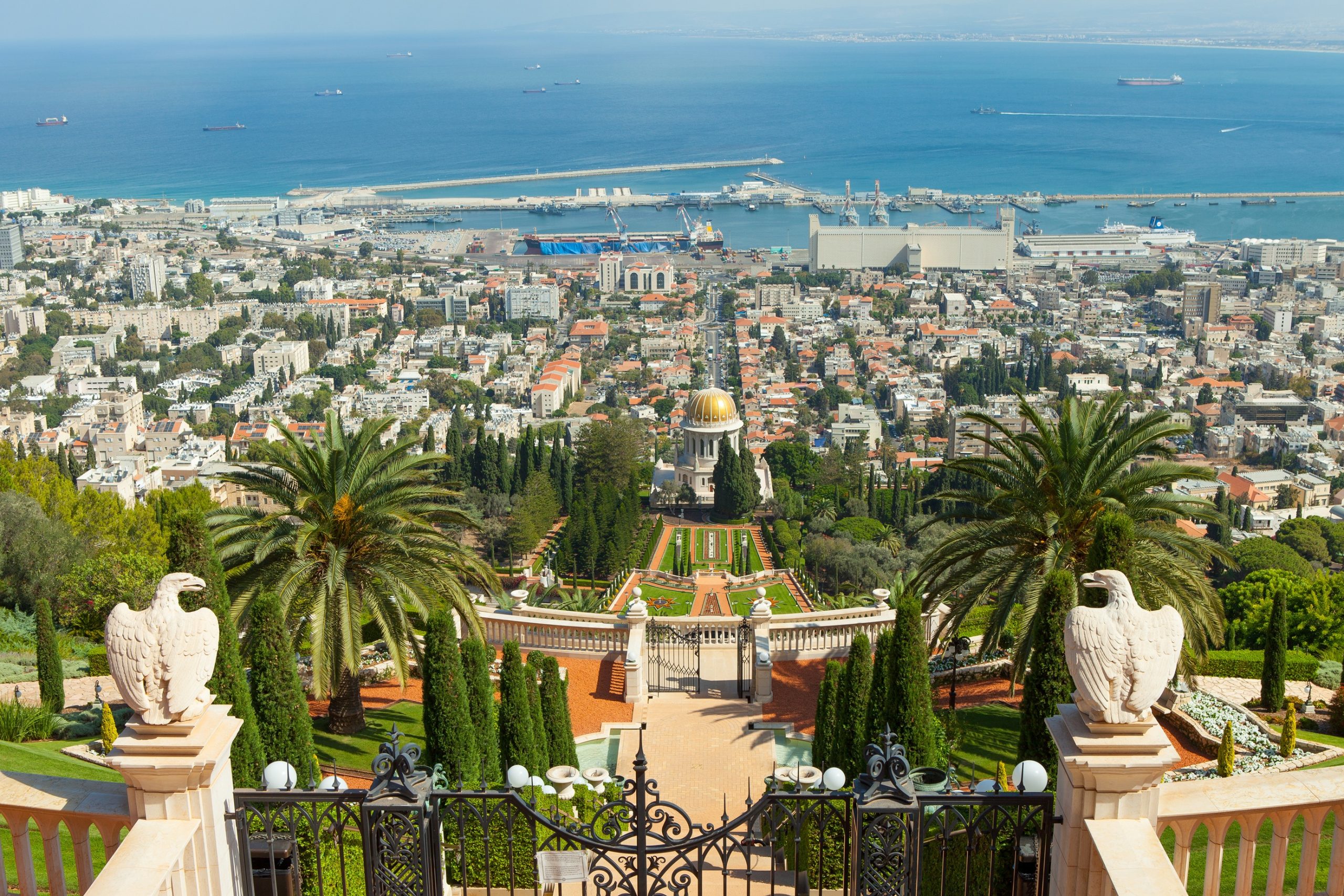
A hillside city overlooking the Mediterranean, Haifa blends natural beauty, vibrant neighborhoods, and world-famous gardens into one unforgettable destination.
Where Mountain Meets Sea
Haifa is Israel’s third-largest city, stretching from the slopes of Mount Carmel down to the Mediterranean shore. Known for its breathtaking views and cultural diversity, it’s a place where Jewish, Christian, Muslim, and Bahá’í communities live side by side. The city is a gateway to northern Israel and offers visitors a mix of urban attractions, nature, and coastal relaxation.
Why Haifa Captures the Imagination
-
Bahá’í Gardens – UNESCO World Heritage site and symbol of harmony.
-
Panoramic Views – Sweeping vistas from Mount Carmel over the bay.
-
Cultural Diversity – A living example of coexistence in Israel.
-
Beach Lifestyle – Sandy stretches perfect for swimming and surfing.
Traveler Tip: Visit the Bahá’í Gardens early in the morning for fewer crowds and softer light for photography.
Top Sights in Haifa
-
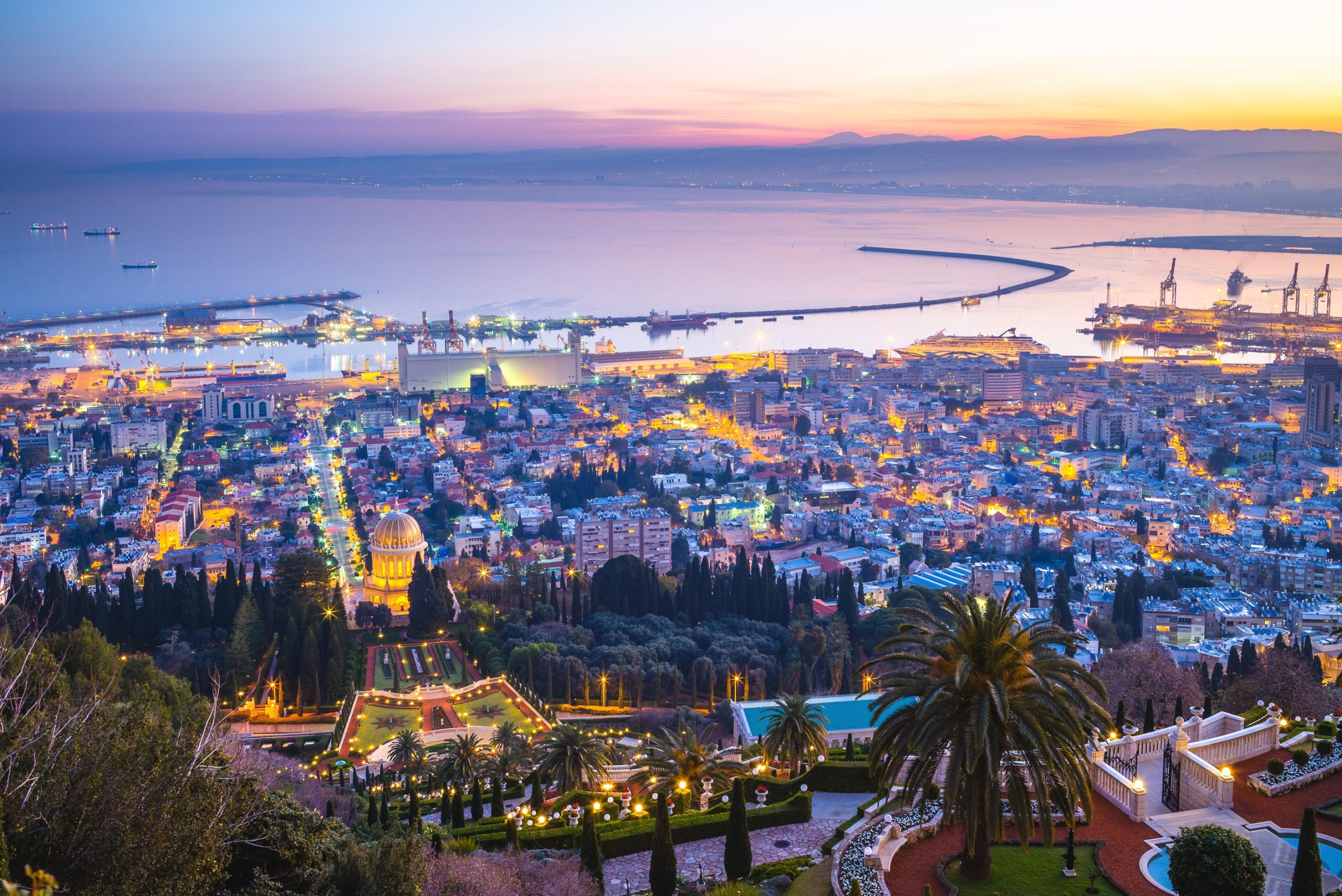
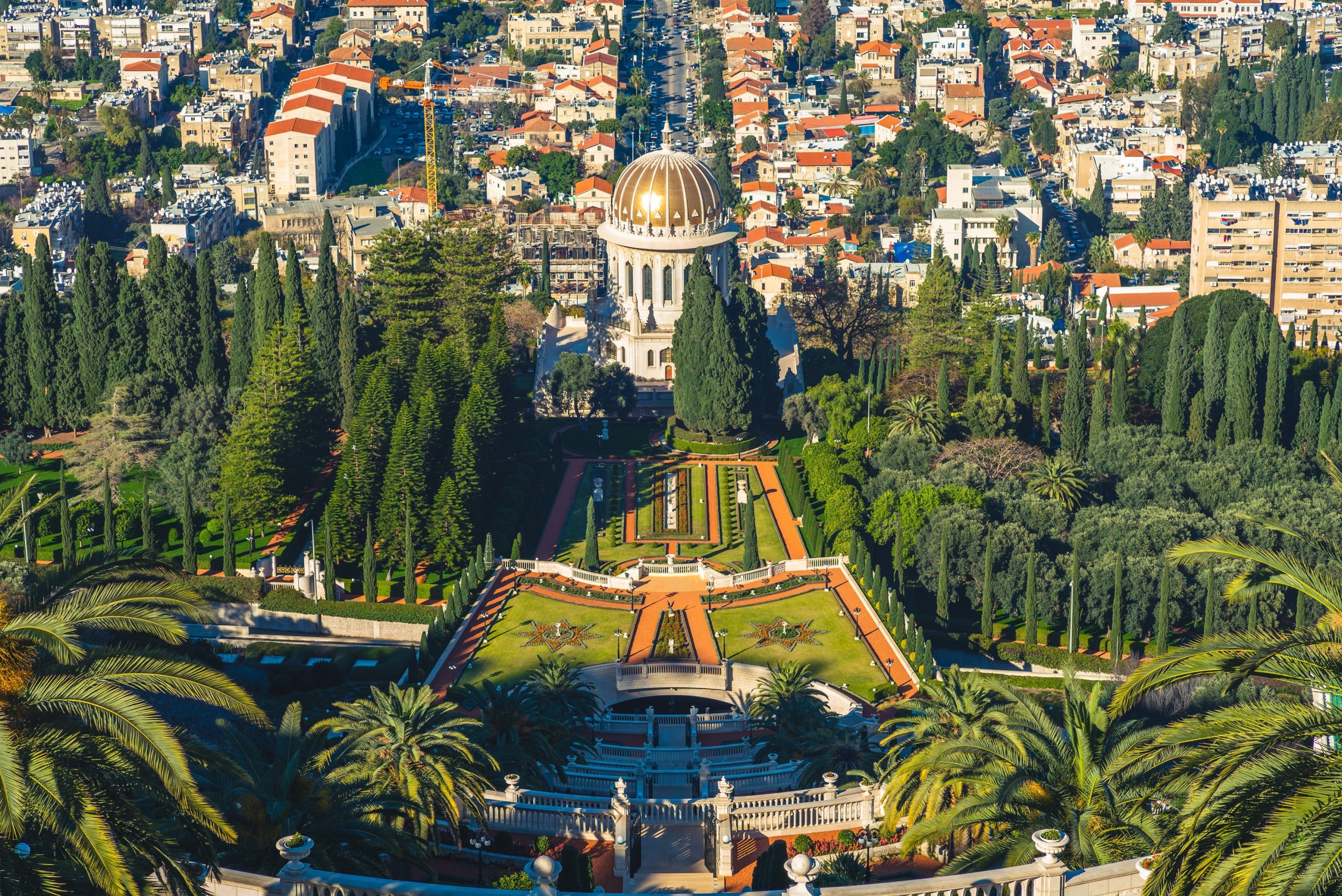
Bahá’í Gardens – 19 terraced gardens cascading down Mount Carmel.
-
German Colony – A restored neighborhood with cafés and boutiques.
-
Stella Maris Monastery – Offering panoramic views and historic significance.
-
Louis Promenade – A scenic walkway with some of the city’s best vistas.
-
Haifa Beaches – Popular spots include Dado Beach and Bat Galim.
Experiences Not to Miss
-
Carmel National Park – Hiking trails through Mediterranean woodlands.
-
Cable Car Ride – From Bat Galim to Stella Maris with stunning views.
-
Museum Visits – Including the Haifa Museum of Art and National Maritime Museum.
-
Nightlife in the Port Area – Trendy bars, restaurants, and live music venues.
Nearby Attractions
-
Acre (Akko) – An ancient port city with Crusader-era structures.
-
Rosh Hanikra – Dramatic white cliffs and sea grottoes on the Lebanese border.
-
Zichron Ya’akov – A charming wine-producing town on Mount Carmel’s southern slopes.
Practical Travel Tips
Haifa enjoys a Mediterranean climate, with mild winters and warm, dry summers. Spring and autumn are ideal for exploring the city on foot. The city’s terrain is hilly, so be prepared for steep streets, though public buses, taxis, and the Carmelit underground funicular make getting around easier. Haifa is generally very safe for tourists, and its relaxed atmosphere is perfect for those seeking both cultural and natural attractions.
FAQs About Visiting Haifa
1. How much time should I spend in Haifa?
Two days is usually enough to explore the Bahá’í Gardens, beaches, museums, and neighborhoods. Many travelers also use Haifa as a base for day trips to Acre, Nazareth, or the Galilee.
2. Can I visit the Bahá’í Gardens for free?
Yes, entrance to the Bahá’í Gardens is free, though guided tours are available and recommended for learning about the history and significance of the site.
3. What’s the best way to get around Haifa?
Public buses, taxis, and the Carmelit underground are efficient for getting around. Walking is great for exploring neighborhoods, but expect some uphill climbs.
4. Are Haifa’s beaches good for swimming?
Yes, Haifa’s beaches are clean, well-maintained, and lifeguarded during the swimming season. Dado Beach is especially popular with families.
5. Is Haifa a good place to stay for exploring northern Israel?
Definitely. Haifa’s location makes it an excellent hub for visiting Acre, Rosh Hanikra, the Galilee, and Mount Carmel.