
Israel is a year-round destination, but the best time to visit depends on your interests, budget, and tolerance for crowds. Each season offers something unique, from vibrant festivals to ideal weather for exploring historical sites or relaxing on the beach.
Spring (March to May) – Ideal for Mild Weather & Blooming Landscapes
Spring is one of the most popular seasons for visiting Israel. The weather is pleasantly warm but not hot, with average daytime temperatures ranging from 18°C to 25°C (64°F to 77°F). Hills and valleys are blanketed in wildflowers, making it a beautiful time for nature walks and photography.
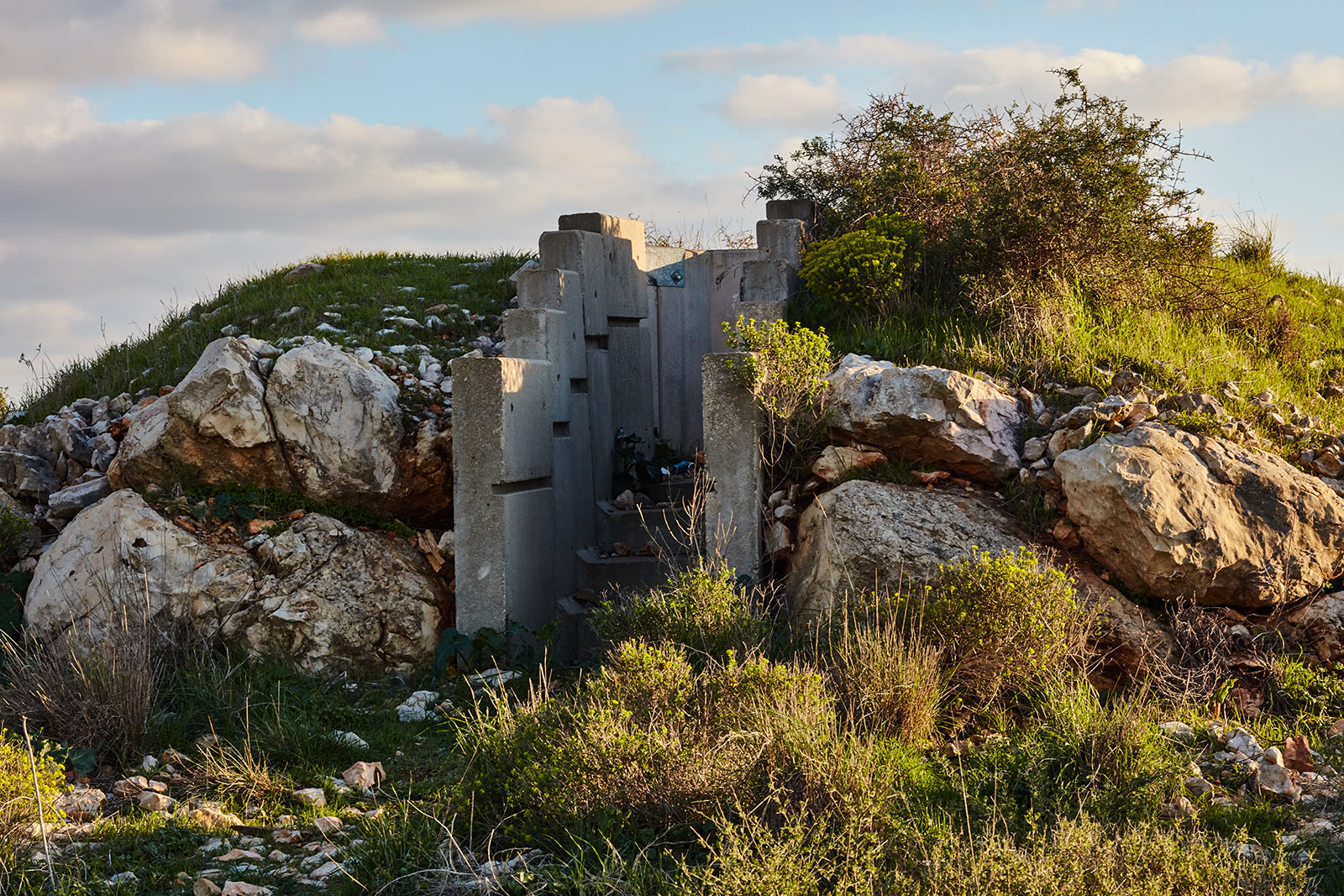
Why Visit in Spring:
-
Comfortable sightseeing weather
-
Blooming wildflowers in Galilee and Golan Heights
-
Religious holidays like Passover and Easter with unique cultural experiences
Keep in Mind:
-
Holiday seasons can mean higher prices and crowded tourist spots
-
Book accommodations early if visiting during Easter or Passover
Summer (June to August) – Beach Season & Lively Nights
Summer brings long, sunny days perfect for beach lovers. The Mediterranean coast, especially Tel Aviv and Herzliya, is buzzing with activity. Eilat offers prime diving and snorkeling conditions in the Red Sea.
Why Visit in Summer:
-
Ideal for swimming, water sports, and nightlife
-
Cultural events like White Night Tel Aviv and music festivals
-
School holidays create a family-friendly travel period
Keep in Mind:
-
Inland areas, such as the Negev and Dead Sea, can be extremely hot
-
Expect higher hotel rates in peak season
Autumn (September to November) – Perfect for Festivals & Fewer Crowds
Autumn offers cooler temperatures after the summer heat, making it comfortable for exploring historical sites and hiking trails. The grape harvest brings wine festivals, and Jewish holidays like Sukkot and Rosh Hashanah create a festive atmosphere.
Why Visit in Autumn:
-
Pleasant weather for outdoor activities
-
Cultural and religious events in Jerusalem and beyond
-
Lower tourist numbers compared to summer
Keep in Mind:
-
Some attractions may close during major Jewish holidays
-
Early autumn can still feel warm, especially in the south
Winter (December to February) – Cool Weather & Holiday Lights
Winter in Israel is mild compared to many countries, with average temperatures between 10°C and 18°C (50°F to 64°F) in most regions. Jerusalem and the Galilee may experience occasional snow, while Eilat remains warm enough for winter beach days.
Why Visit in Winter:
-
Lower prices and fewer tourists in many areas
-
Christmas celebrations in Bethlehem and Nazareth
-
Winter festivals, concerts, and cultural events
Keep in Mind:
-
Rain is common in the north and coastal areas
-
Some outdoor activities, like desert camping, may be less comfortable
Tips for Choosing Your Travel Time
-
Festival lovers: Check the cultural calendar for events like the Jerusalem Film Festival, Red Sea Jazz Festival, or olive harvest celebrations.
-
Budget-conscious travelers: Winter offers the best deals on flights and hotels.
-
Beachgoers: Late spring and early autumn offer warm seas without the peak summer crowds.
-
Pilgrims: Major Christian and Jewish holidays provide unique experiences but require early planning due to high demand.

FAQs – Best Times to Visit Israel
1. What is the peak tourist season in Israel?
Summer (June–August) and major religious holidays like Passover and Easter.
2. Is it worth visiting in winter?
Yes, especially for lower prices, fewer crowds, and holiday celebrations.
3. When is the best time for beach activities?
Late spring, summer, and early autumn offer the best sea temperatures.
4. What is the rainiest season in Israel?
Winter, especially in the north and coastal areas.
5. Are there months to avoid?
Not necessarily, but inland areas can be uncomfortably hot in July and August.