Float effortlessly on mineral-rich waters, bask in desert sunshine, and discover the healing secrets of one of the world’s most extraordinary places.
A Destination Like No Other
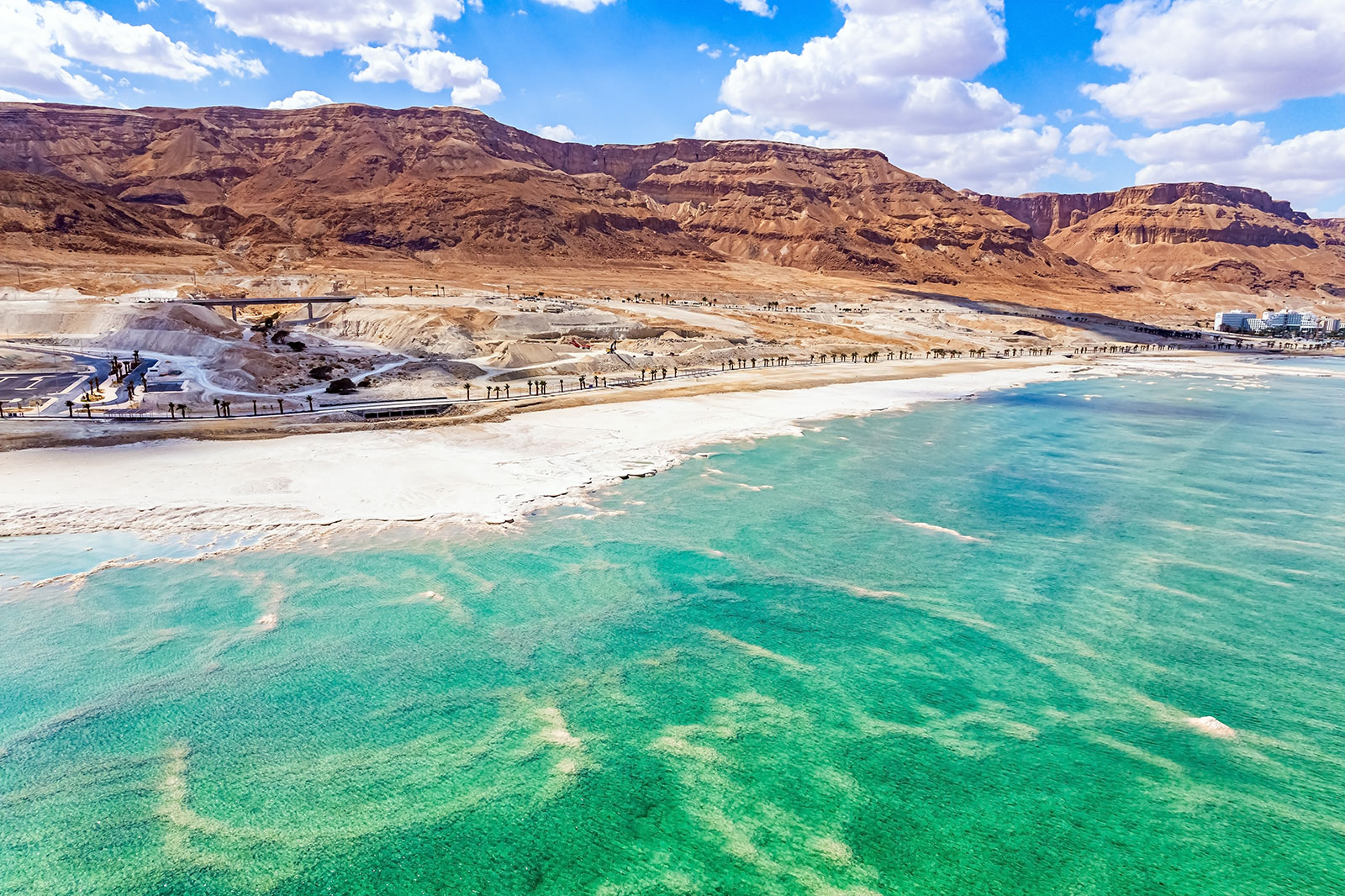
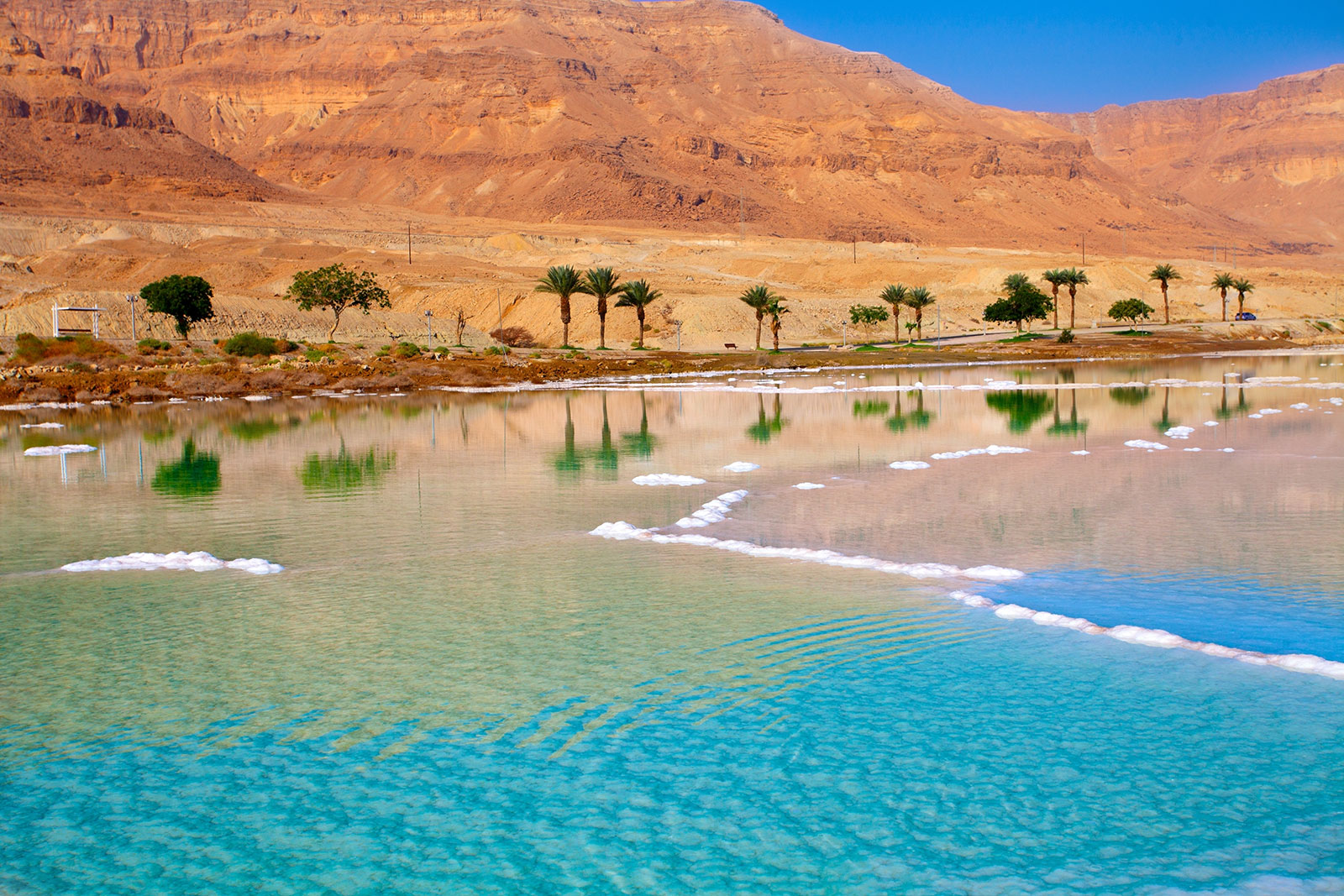
The Dead Sea is not just a body of water — it’s a surreal natural phenomenon. Located more than 430 meters (1,410 feet) below sea level, it is the lowest point on Earth’s surface. Its hypersaline water, nearly ten times saltier than the ocean, makes swimming impossible but floating effortless. The surrounding desert landscape, with its stark cliffs and golden sands, creates an almost otherworldly setting.
Why the Dead Sea is Famous Worldwide
-
Natural Buoyancy – The dense water keeps you afloat without effort.
-
Mineral-Rich Mud – Packed with magnesium, calcium, and potassium, said to nourish skin and relieve joint pain.
-
Healing Climate – High oxygen levels, low pollen count, and dry air attract visitors seeking therapeutic benefits.
-
Spectacular Sunsets – The reflection of the Jordanian mountains across the shimmering water is unforgettable.
Traveler Tip: Avoid shaving the day before your visit — the high salt content can sting freshly shaved skin.
Popular Beaches and Resorts
The Dead Sea’s western shore is lined with beaches, resorts, and spa complexes catering to every type of traveler:
-
Ein Bokek – The main resort area with public and private beaches, hotels, and spa facilities.
-
Neve Midbar Beach – A family-friendly spot with shaded areas, mud stations, and picnic facilities.
-
Kalia Beach – Located at the northern end, with a laid-back atmosphere and great views of the Jordanian mountains.
Wellness and Spa Experiences
The Dead Sea region is world-renowned for wellness tourism. Many hotels offer:
-
Mineral-rich mud treatments and body wraps.
-
Saltwater pools for year-round floating.
-
Sulfur baths and natural hot springs nearby.
-
Rooftop terraces for sunbathing in the clean, dry desert air.
Local Insight: The water is so saline that even small cuts can sting intensely — enter slowly and avoid splashing into your eyes.
Attractions Near the Dead Sea
There’s much more to the region than floating and mud baths:
-
Masada – An ancient fortress with dramatic history and panoramic views, accessible by cable car or hiking trail.
-
Ein Gedi Nature Reserve – A desert oasis with waterfalls, hiking paths, and wildlife like ibex and hyrax.
-
Qumran Caves – The archaeological site where the Dead Sea Scrolls were discovered.
-
Desert Jeep Tours – Explore the Judean Desert’s rugged terrain with guided off-road adventures.
Unique Experiences
-
Watch sunrise over the desert from the top of Masada.
-
Photograph the striking salt formations along the shoreline.
-
Float under the stars during night swimming sessions at some resorts.
-
Try a yoga or meditation class by the water’s edge.
Practical Travel Tips
-
Best Time to Visit: March–May and October–November for warm but not extreme temperatures.
-
Getting There: About a 90-minute drive from Jerusalem or two hours from Tel Aviv.
-
Protect Your Skin: Rinse off immediately after swimming to remove salt.
-
Stay Hydrated: The desert climate can dehydrate you quickly.
-
Footwear: Bring flip-flops or water shoes to protect your feet from hot sand and sharp salt crystals.
Why the Dead Sea is Unforgettable
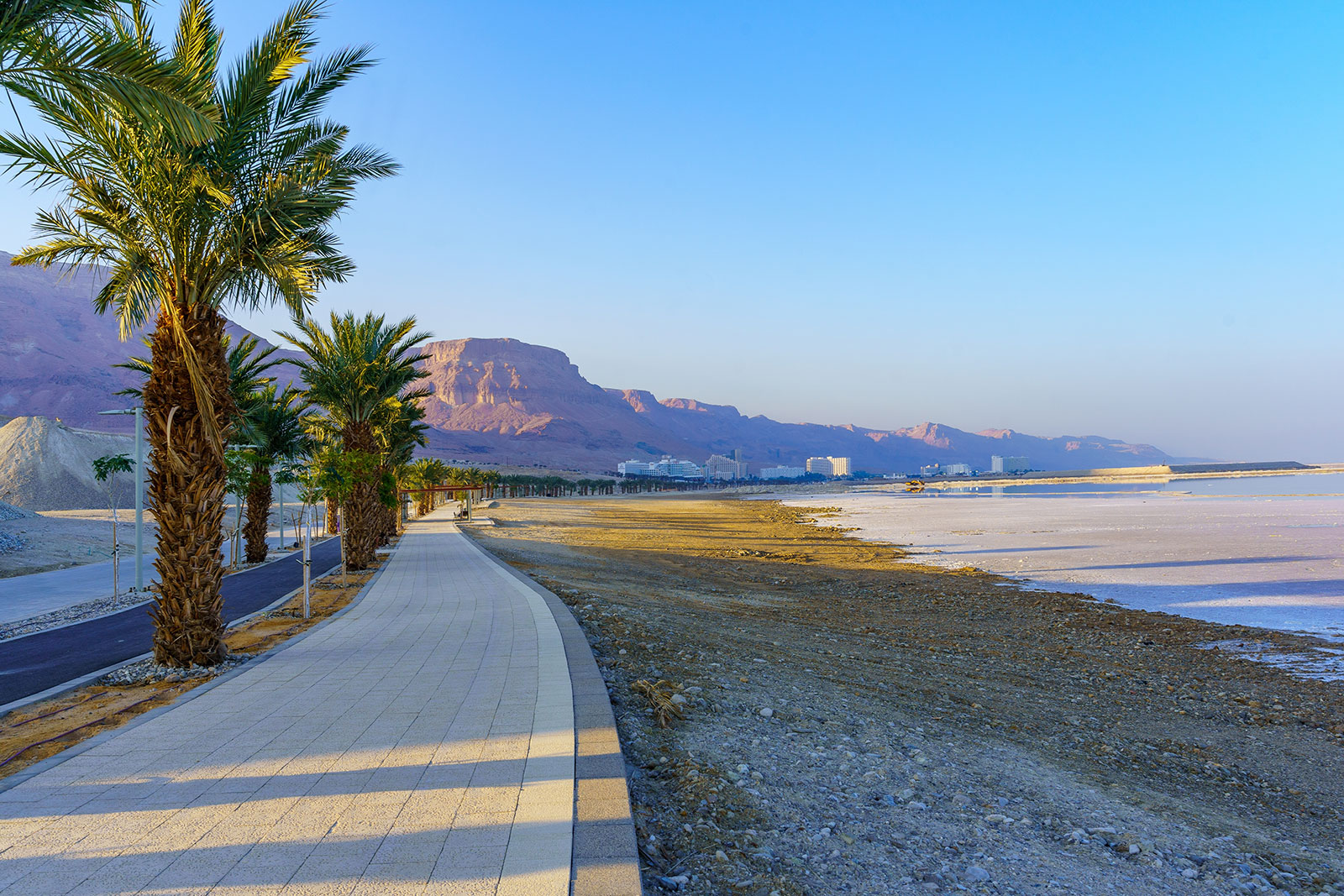
A visit to the Dead Sea is as much about how it makes you feel as what you see. Whether you’re floating effortlessly under the desert sun, slathering on mineral-rich mud, or exploring the surrounding canyons and cliffs, the experience is deeply restorative and awe-inspiring. It’s a place where nature’s extremes create moments of peace, wonder, and rejuvenation.