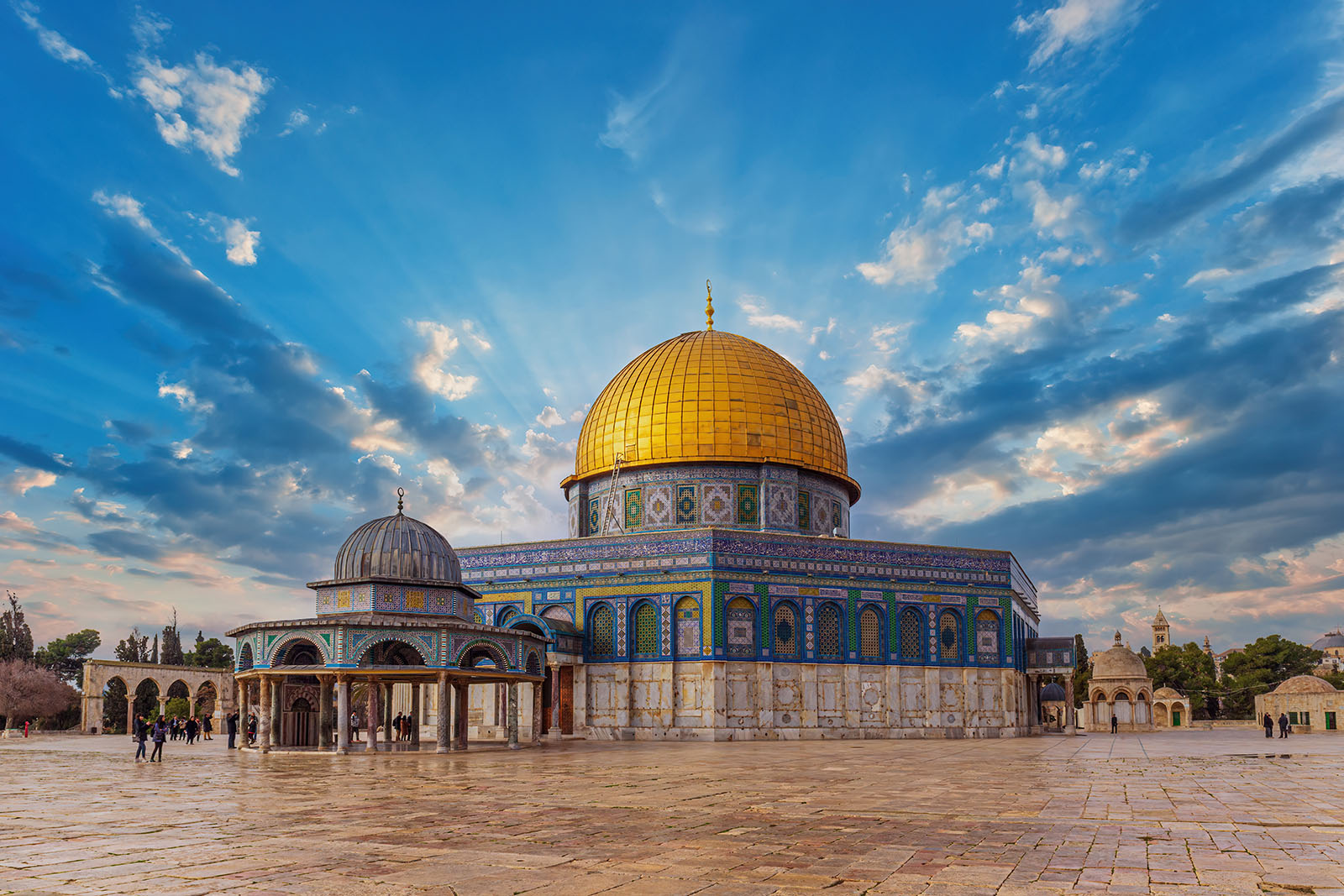
With its golden dome gleaming over Jerusalem’s Old City, the Dome of the Rock is one of the most iconic and revered landmarks in the world.
A Symbol of Faith and Heritage
Located on the Temple Mount (Haram al-Sharif), the Dome of the Rock is one of Islam’s most sacred sites and a masterpiece of Islamic architecture. Completed in 691 CE under the Umayyad Caliph Abd al-Malik, it is built over the Foundation Stone, a site deeply significant to Muslims, Jews, and Christians. For Muslims, it is believed to be the place from which the Prophet Muhammad ascended to heaven during the Night Journey. For Jews, the stone is traditionally associated with the Holy of Holies of the ancient Temples.
Why the Dome of the Rock is Special
-
Religious Significance – A holy site for multiple faiths.
-
Architectural Beauty – One of the earliest surviving examples of Islamic architecture.
-
Historic Legacy – Over 1,300 years of cultural, political, and spiritual history.
-
Iconic Presence – Its gold-plated dome dominates Jerusalem’s skyline.
Traveler Tip: Access to the Dome of the Rock is limited for non-Muslims to specific visiting hours, and entry inside the shrine is generally restricted to Muslims.
Architectural Highlights
-
Golden Dome – 20 meters in diameter and covered in gold leaf, visible from miles away.
-
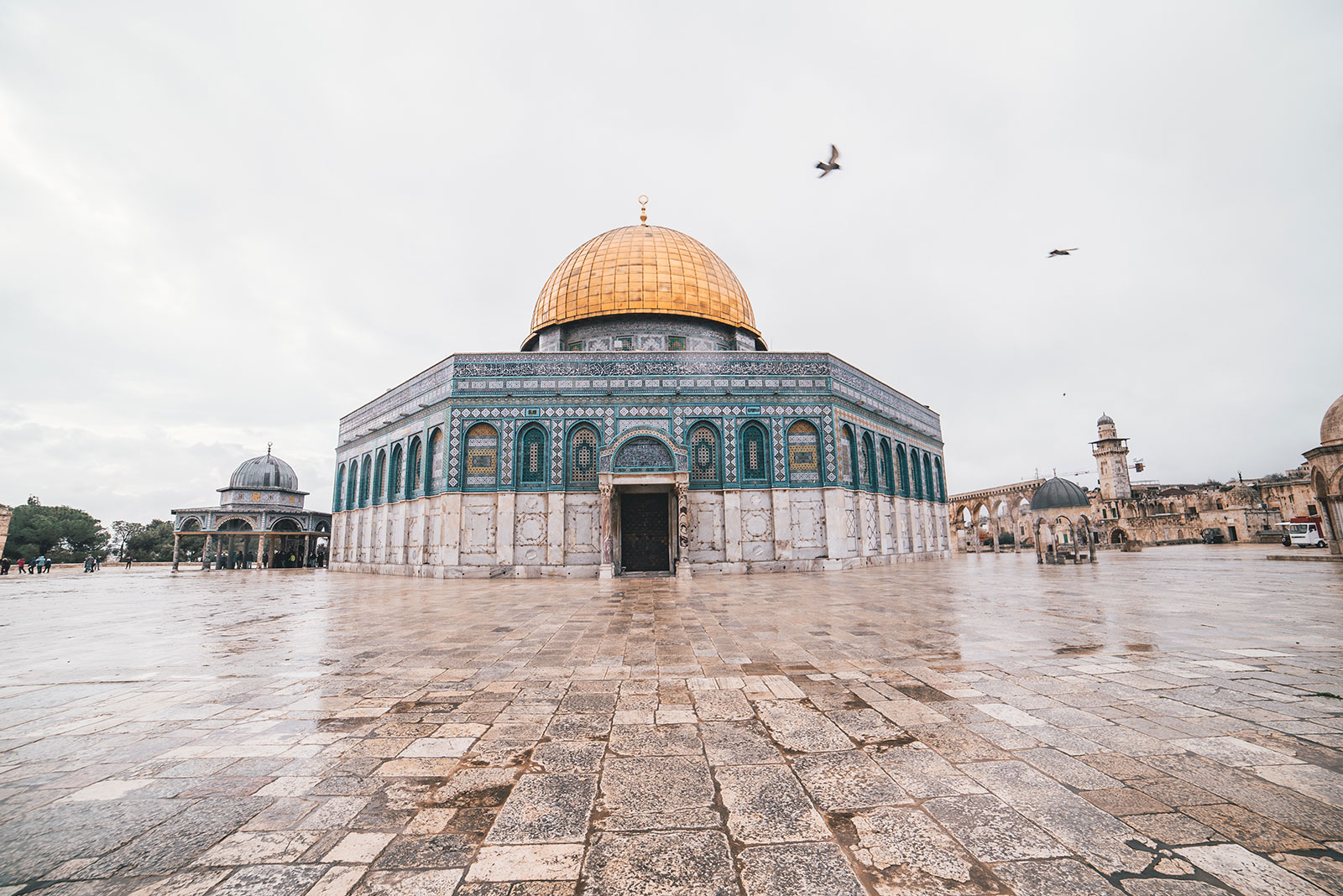
Octagonal Structure – Surrounded by beautiful marble and mosaic decorations.
-
Interior Details – For Muslim visitors, the inside features intricate calligraphy, mosaics, and the exposed Foundation Stone.
-
Calligraphic Inscriptions – Some of the earliest examples of Qur’anic verses in architectural design.
Visiting the Dome of the Rock
-
Non-Muslim Visiting Hours: Typically mornings from Sunday to Thursday; check current schedules before visiting.
-
Security Procedures: All visitors pass through security checkpoints before entering the Temple Mount complex.
-
Dress Code: Modest attire required; shoulders and knees must be covered.
-
Photography: Allowed outside, but be respectful of worshippers.
Local Insight: Arrive early in the morning for softer light on the dome and fewer crowds on the plaza.
The Temple Mount Complex
The Dome of the Rock sits within a large, open courtyard alongside other important structures:
-
Al-Aqsa Mosque – The third holiest site in Islam.
-
Islamic Museum – Displaying artifacts from the mosque and Jerusalem’s Islamic history.
-
Fountain of Qaytbay – A 15th-century domed fountain used for ritual ablutions.
Nearby Attractions
-
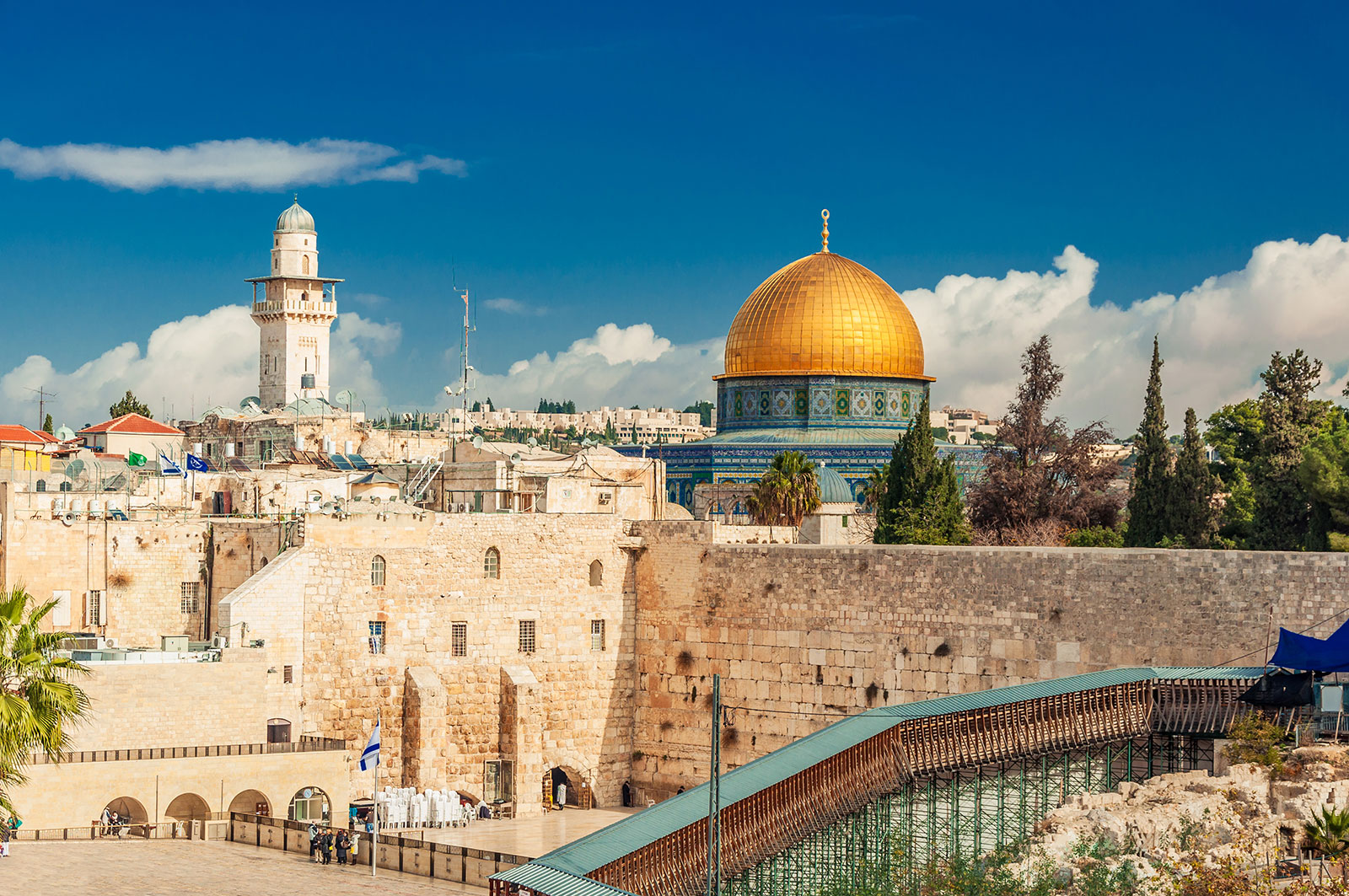
Western Wall – Located just below the Temple Mount’s western retaining wall.
-
Church of the Holy Sepulchre – About a 10-minute walk through the Old City.
-
Old City Markets – Bustling souks selling spices, textiles, and religious artifacts.
Practical Travel Tips
-
Best Time to Visit: Early morning to avoid heat and crowds.
-
Getting There: Entry for non-Muslims is through the Mughrabi Gate near the Western Wall.
-
Respect: This is an active place of worship — behave quietly and respectfully at all times.
-
Guides: Consider a knowledgeable guide to explain the religious and historical context.
Why the Dome of the Rock Captivates
Even from a distance, the Dome of the Rock commands attention. Up close, its artistry, symmetry, and spiritual weight leave a lasting impression. Whether admired for its religious meaning, architectural beauty, or historical importance, it is a symbol of Jerusalem’s unique role as a crossroads of faith and culture.