
Introduction
Israel is home to some of the most significant Islamic heritage sites outside of Mecca and Medina, making it a deeply meaningful destination for Muslim travelers. From sacred mosques to centuries-old minarets and beautifully preserved Ottoman-era architecture, these sites tell the story of Islamic history, faith, and culture in the Holy Land. Whether you’re on a religious pilgrimage or exploring the region’s rich heritage, visiting these landmarks offers both spiritual inspiration and cultural discovery.
1. Al-Aqsa Mosque – Jerusalem
Why Visit
One of the three holiest sites in Islam, Al-Aqsa Mosque is located within the Haram al-Sharif (Noble Sanctuary) in the Old City of Jerusalem. It holds immense religious importance as the first Qibla (direction of prayer) for Muslims and the site of the Prophet Muhammad’s Isra and Mi’raj night journey.
Highlights
-
Large prayer halls accommodating thousands of worshippers
-
Historical significance dating back to the 7th century CE
-
Peaceful courtyards with shaded areas for reflection
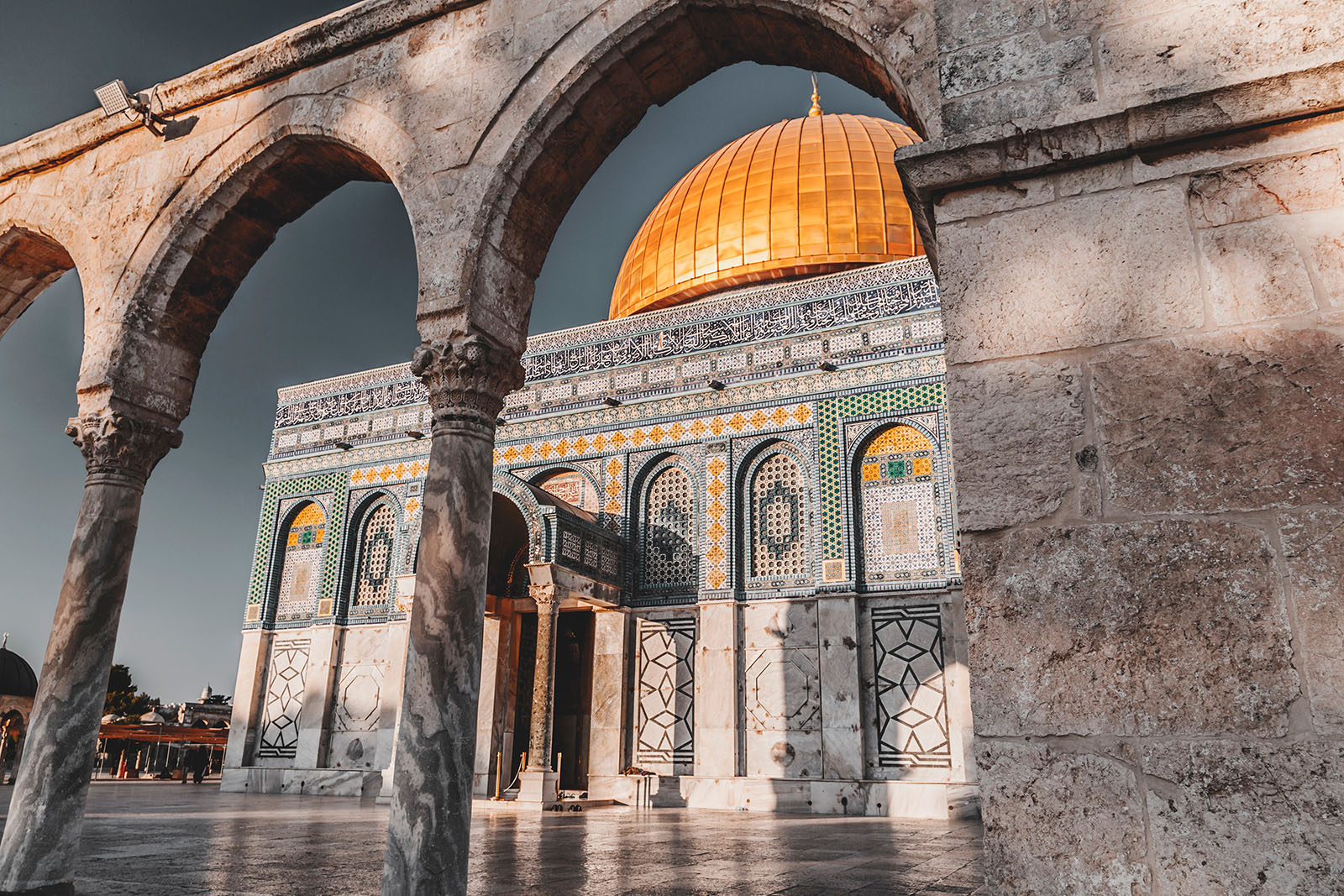
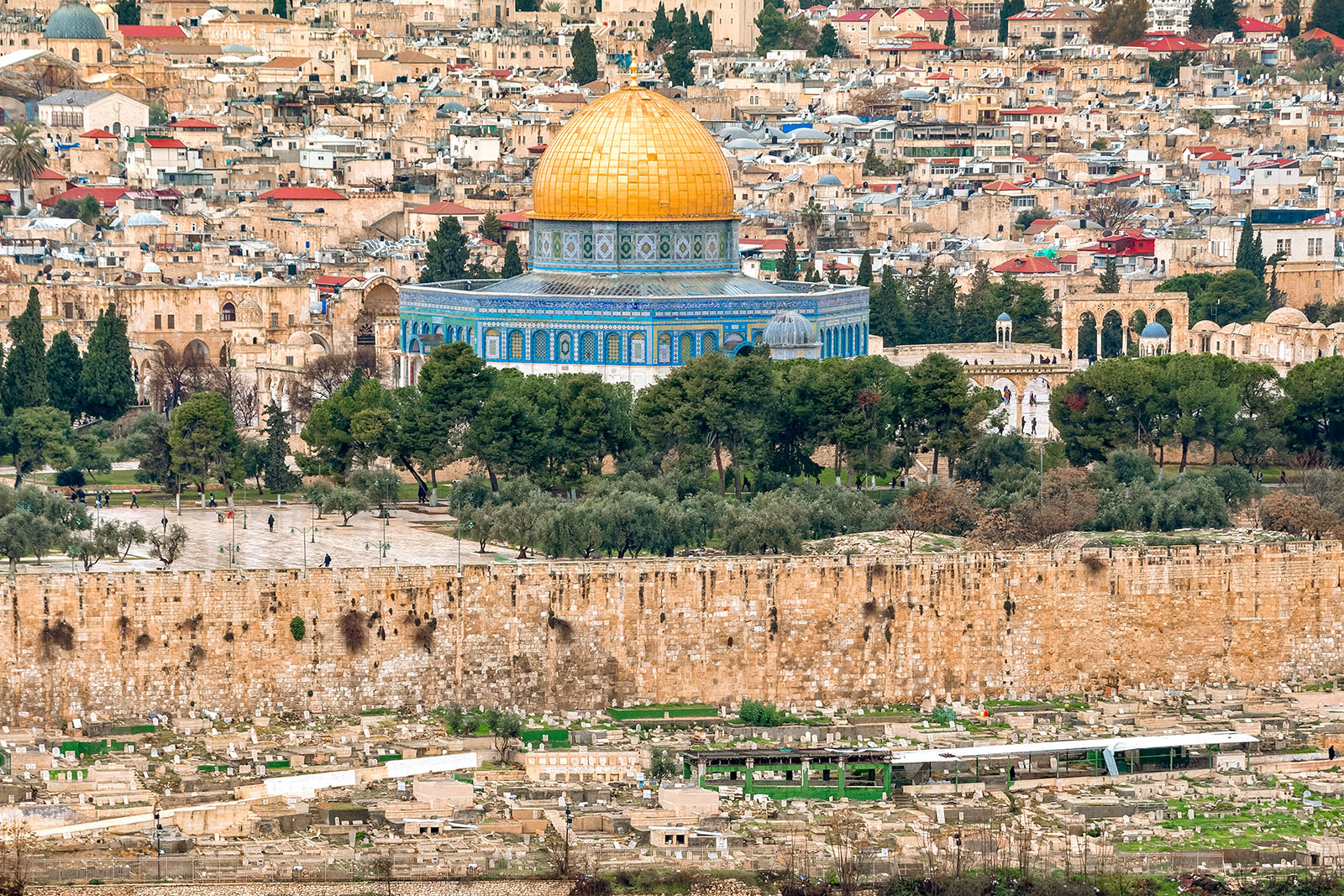
2. Dome of the Rock – Jerusalem
Why Visit
This iconic gold-domed shrine, also located in Haram al-Sharif, is one of the most recognizable symbols of Jerusalem. It marks the spot from which the Prophet Muhammad is believed to have ascended to heaven.
Highlights
-
Stunning Islamic architecture with intricate mosaics
-
Spiritual and historical significance for Muslims worldwide
-
Panoramic views of the Old City from its platform
3. El-Jazzar Mosque – Acre (Akko)
Why Visit
Built in 1781 by Ottoman ruler Ahmad Pasha al-Jazzar, this is one of the largest and most beautiful mosques in Israel. Located in the heart of Acre’s Old City, it serves as a center for local Muslim life.
Highlights
-
Classic Ottoman architecture with a tall minaret
-
A peaceful courtyard and prayer hall
-
Nearby bustling markets and UNESCO-listed port area
4. Al-Omari Mosque – Lod
Why Visit
This historic mosque stands on a site that has served as a place of worship for centuries, with roots going back to early Islamic times.
Highlights
-
Historical layers from the Mamluk and Ottoman periods
-
Architectural features including arched doorways and stone inscriptions
-
A central role in the city’s Muslim community
5. Hassan Bek Mosque – Tel Aviv–Jaffa
Why Visit
Built in 1916, Hassan Bek Mosque is a striking landmark on Tel Aviv’s southern coast, symbolizing the city’s Muslim heritage.
Highlights
-
Distinct white-and-beige stone façade and tall minaret
-
Convenient location near Jaffa and Tel Aviv’s promenade
-
Open for prayer and cultural visits
Best Time to Visit
Muslim heritage sites are open year-round, but visiting during Islamic festivals such as Ramadan or Eid offers a deeper cultural and spiritual experience. Prayer times should be respected, and non-Muslim visitors should confirm access in advance for certain mosques.
Tips for Visitors
-
Dress modestly, covering arms and legs (women should also cover their hair).
-
Remove shoes before entering prayer halls.
-
Avoid visiting during Friday prayers unless participating.
-
Always ask permission before photographing inside religious sites.
FAQs
1. Can non-Muslims visit all Islamic heritage sites in Israel?
Some sites, such as Al-Aqsa Mosque, are restricted to Muslim visitors, while others are open to all.
2. Are guided tours available?
Yes, many licensed guides offer Islamic heritage-focused tours.
3. Is photography allowed?
Usually, but always ask permission, especially inside prayer halls.
4. Are there entry fees?
Most mosques are free to enter, though donations are appreciated.
5. Can I visit multiple sites in one trip?
Yes, many can be combined into a multi-day itinerary covering Jerusalem, Acre, Lod, and Jaffa.