Israel is a modern and well-connected country where you can buy almost anything you forget, including clothing, cosmetics, and toiletries. However it’s still best to pack smart and light to stay comfortable and respectful, no matter where your journey takes you.
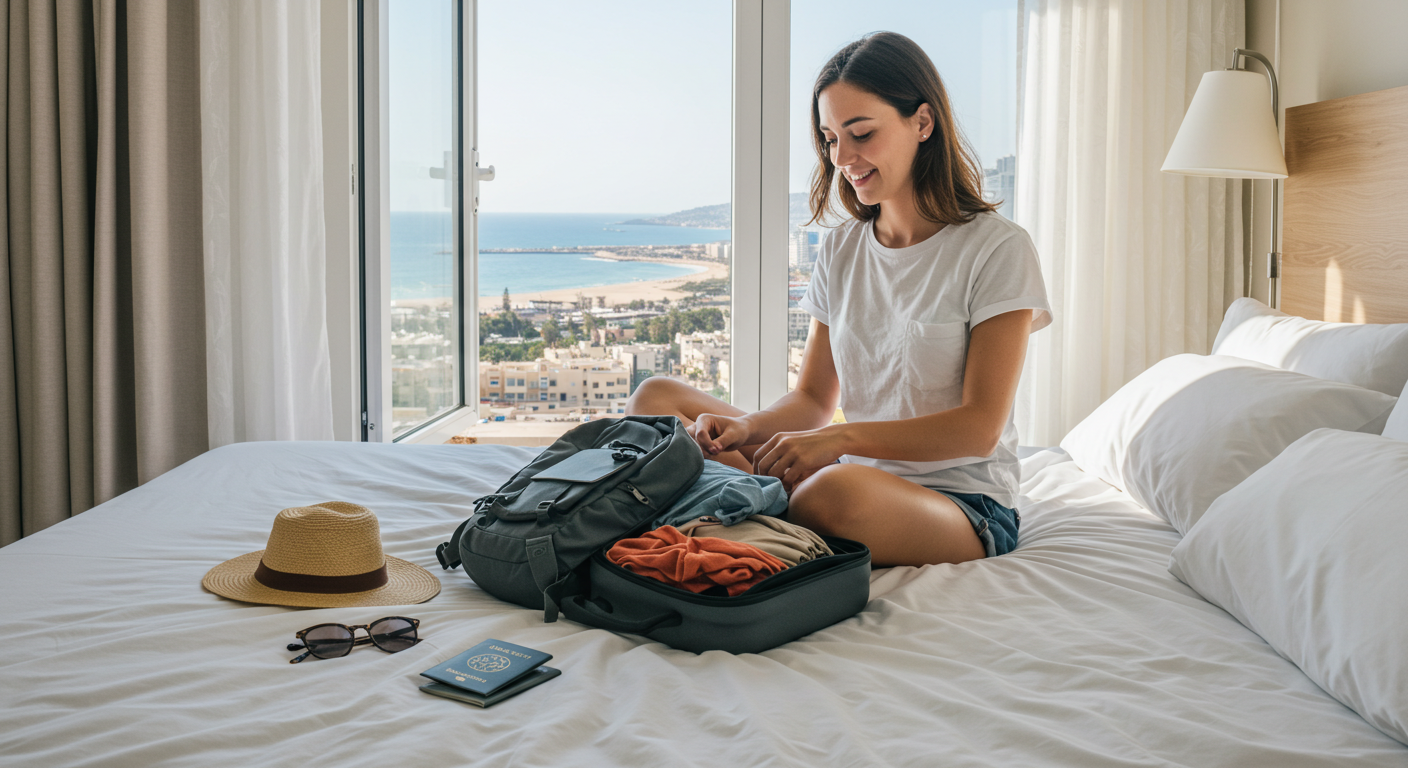
Start with the basics. Bring your passport, any necessary visa, travel insurance details, credit or debit cards, a small amount of Israeli shekels for immediate expenses, and a copy of important documents. A lightweight daypack comes in handy for daily excursions.
Clothing depends on the season. From spring through summer, pack light breathable layers. Bring tank tops, T-shirts, shorts or skirts, sandals or flip-flops. Include a hat, sunglasses, sunscreen, a swimsuit and a lightweight cover-up for modesty at religious or cultural sites. For fall and winter, you’ll want clothes that layer easily—a long-sleeved shirt, sweater or jacket, long pants, water-resistant outerwear, and good walking shoes or boots for uneven terrain.
Dress respectfully for religious sites. In locations like Jerusalem’s holy places you’ll need modest attire. Women should cover knees and shoulders and carry a scarf or shawl. Men may need to wear a kippah at some synagogues though they are often provided.
Shoes are key. Comfortable walking shoes are essential—one pair of sturdy sneakers or hikers plus sandals is plenty. If you plan on water hikes or floating in the Dead Sea, consider water-friendly footwear. Rain in winter or early spring means packing a light waterproof layer and possibly rain boots.
Toiletries and personal items. Most stores carry standard brands, but it helps to bring your favorite toiletries, prescription medications, a small first aid kit, insect repellent, lip balm, moisturizer and sunscreen.
Tech essentials. A universal adapter for Type C or Type H plugs is crucial. A portable charger ensures your phone stays powered on long tour days. Bring extra memory cards, charging cables and a power bank if needed. If your devices are not dual voltage, consider a small voltage converter.
Optional but useful gear. A reusable water bottle is practical—Israel’s tap water is safe to drink and you’ll stay hydrated. If you’ll be visiting dusty, historical or archaeological sites, a lightweight scarf or bandana can help with dust and sun protection.
Packing Check-list for Israel
What to bring
Passport, travel insurance, visa and copies
Credit or debit card plus some shekels for small purchases
Daypack for daily excursions
Season-appropriate clothing that can layer easily
Modest clothing or scarf for religious or cultural sites
Comfortable walking shoes, sandals, and optional water shoes
Rain jacket or coat for cooler or wetter seasons
Toiletries, medications and basic first-aid items
Sun protection including sunscreen, hat and sunglasses
Universal adapter, chargers, portable power bank
Reusable water bottle and small scarf or bandana
FAQs About Packing for Israel
Can I buy forgotten items in Israel?
Yes, most everyday items like toiletries, clothes and even modest wear are available locally, especially in cities and tourist spots.
What’s the must-have accessory?
A daypack is essential for carrying water, cameras, sunscreen and layers during sightseeing.
How should I dress at holy sites?
Wear clothes that cover shoulders and knees, women should carry a shawl and men may need to wear head covering in some places.
What shoes should I pack?
Bring at least one pair of comfortable walking shoes plus sandals or water shoes for beach and water activities. Rainy season calls for water-resistant shoes.
Do I need rain gear?
Yes, particularly in winter and spring when sudden rain showers are common—pack a light rain jacket or umbrella.
Should I bring toiletry products from home?
It’s helpful for favorites or prescription items but essentials are widely available.