A site of profound spiritual importance, the Al-Aqsa Mosque is one of the holiest places in Islam and a landmark central to Jerusalem’s history and identity.
A Pillar of Faith
Located within the Temple Mount (Haram al-Sharif) complex in Jerusalem’s Old City, Al-Aqsa Mosque is the third holiest site in Islam, after Mecca and Medina. It is revered as the destination of the Prophet Muhammad’s Night Journey before his ascension to heaven. Its name, Al-Aqsa, means “The Farthest” in Arabic, signifying its position as the distant sanctuary mentioned in the Qur’an.
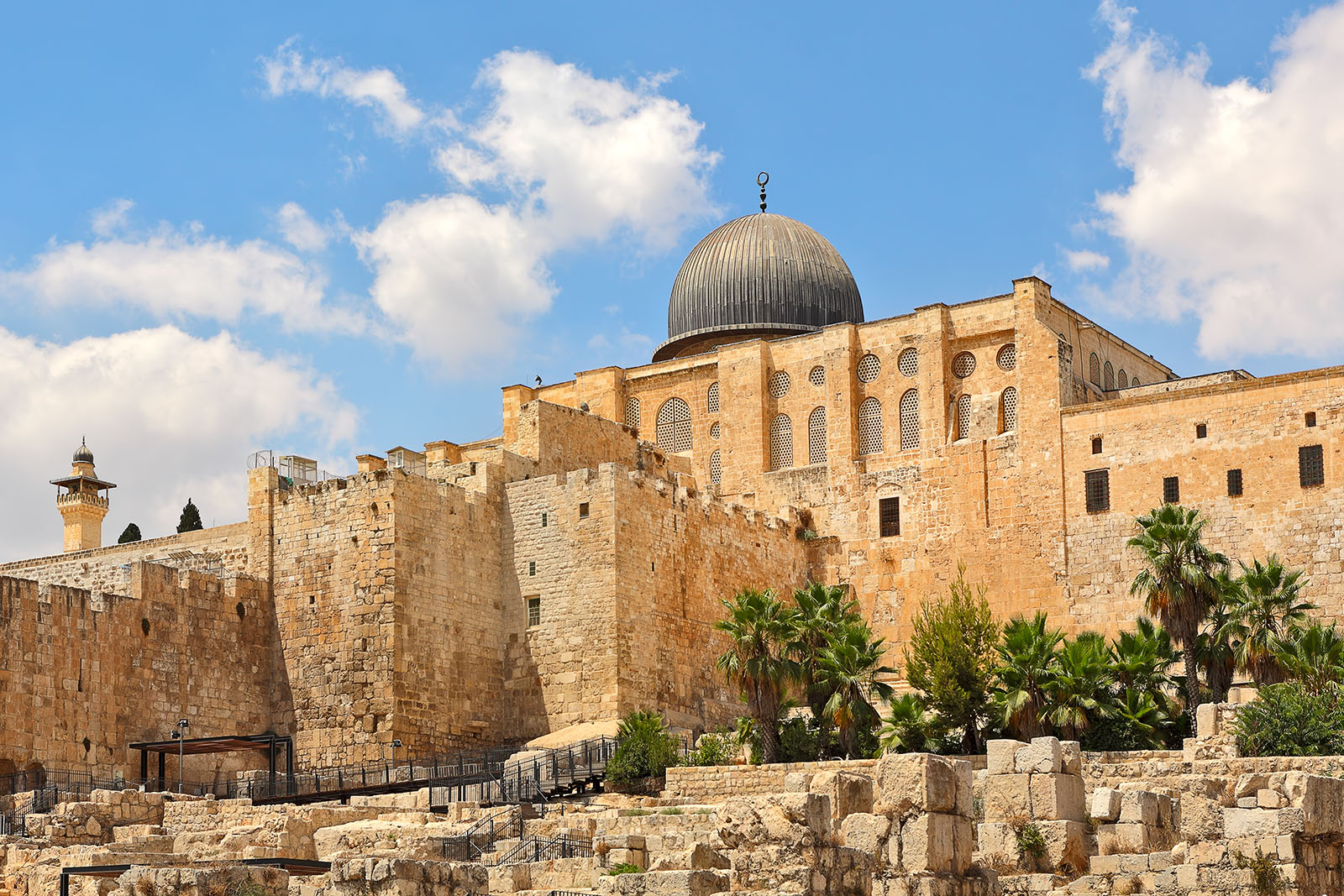
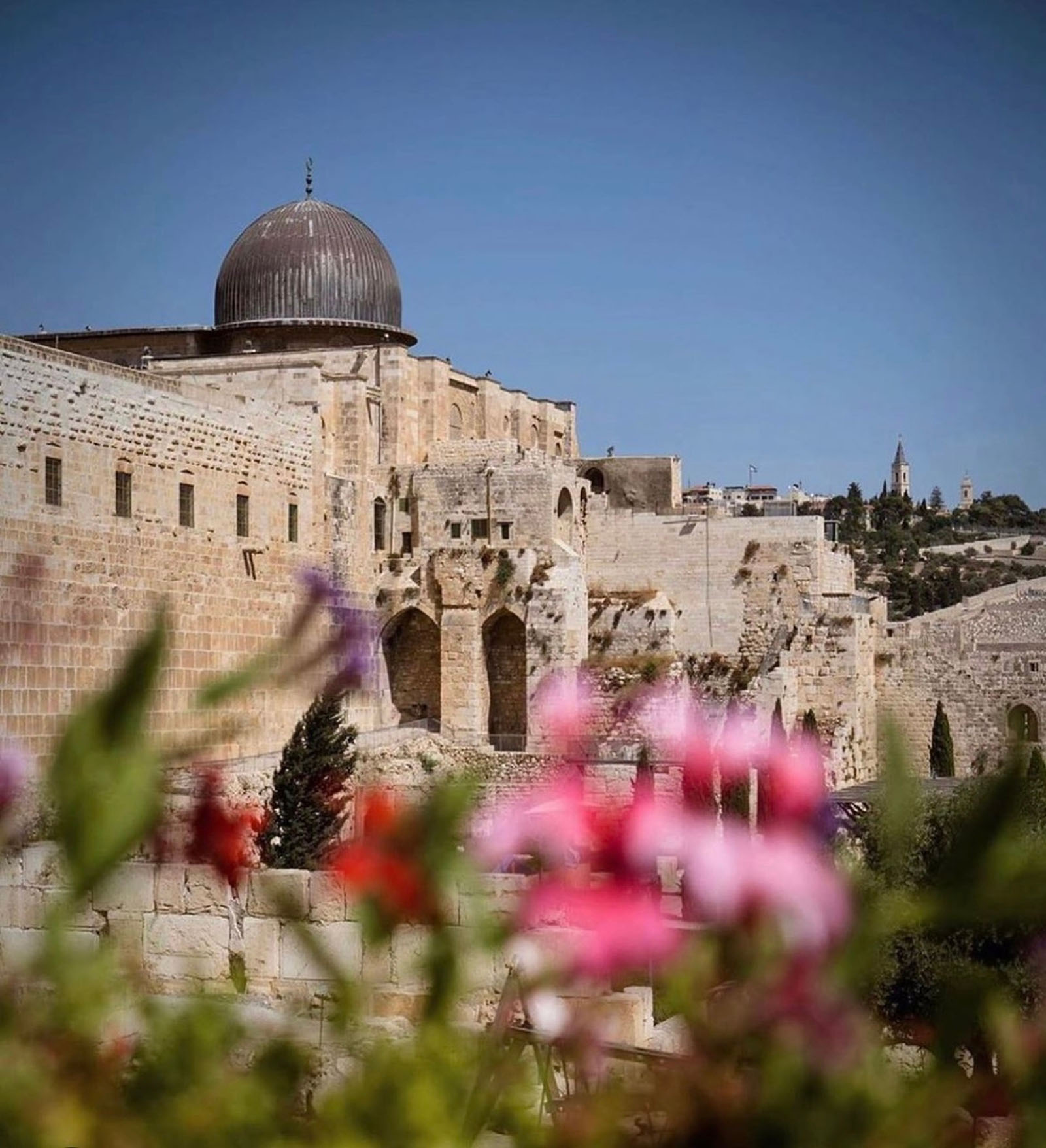
Dome of Al-Aqsa Mosque surrounded by walls and ancient ruins in Old City of Jerusalem, Israel.
Why Al-Aqsa Mosque is Special
-
Religious Significance – Central to Muslim worship and history.
-
Historic Legacy – Dating back to the early Islamic period, with layers of architectural heritage.
-
Active Place of Worship – A vibrant spiritual center for Jerusalem’s Muslim community.
-
Cultural Importance – A focal point of the city’s identity for over a millennium.
Traveler Tip: Non-Muslim visitors may access the Temple Mount during specific visiting hours but are not permitted inside the mosque itself.
Architecture and Design
-
Distinctive Silver Dome – Often mistaken for the Dome of the Rock, Al-Aqsa’s lead-colored dome is a defining feature.
-
Expansive Prayer Hall – Able to accommodate thousands of worshippers.
-
Interior Decor – Includes intricate mosaics, marble columns, and carved wooden details.
-
Mihrab and Minbar – The beautifully adorned prayer niche and pulpit are among the mosque’s treasures.
Local Insight: Al-Aqsa has undergone multiple restorations due to earthquakes, fires, and renovations over its 1,300-year history, resulting in a blend of architectural styles.
The Temple Mount Setting
Al-Aqsa is part of a vast 35-acre complex that also includes:
-
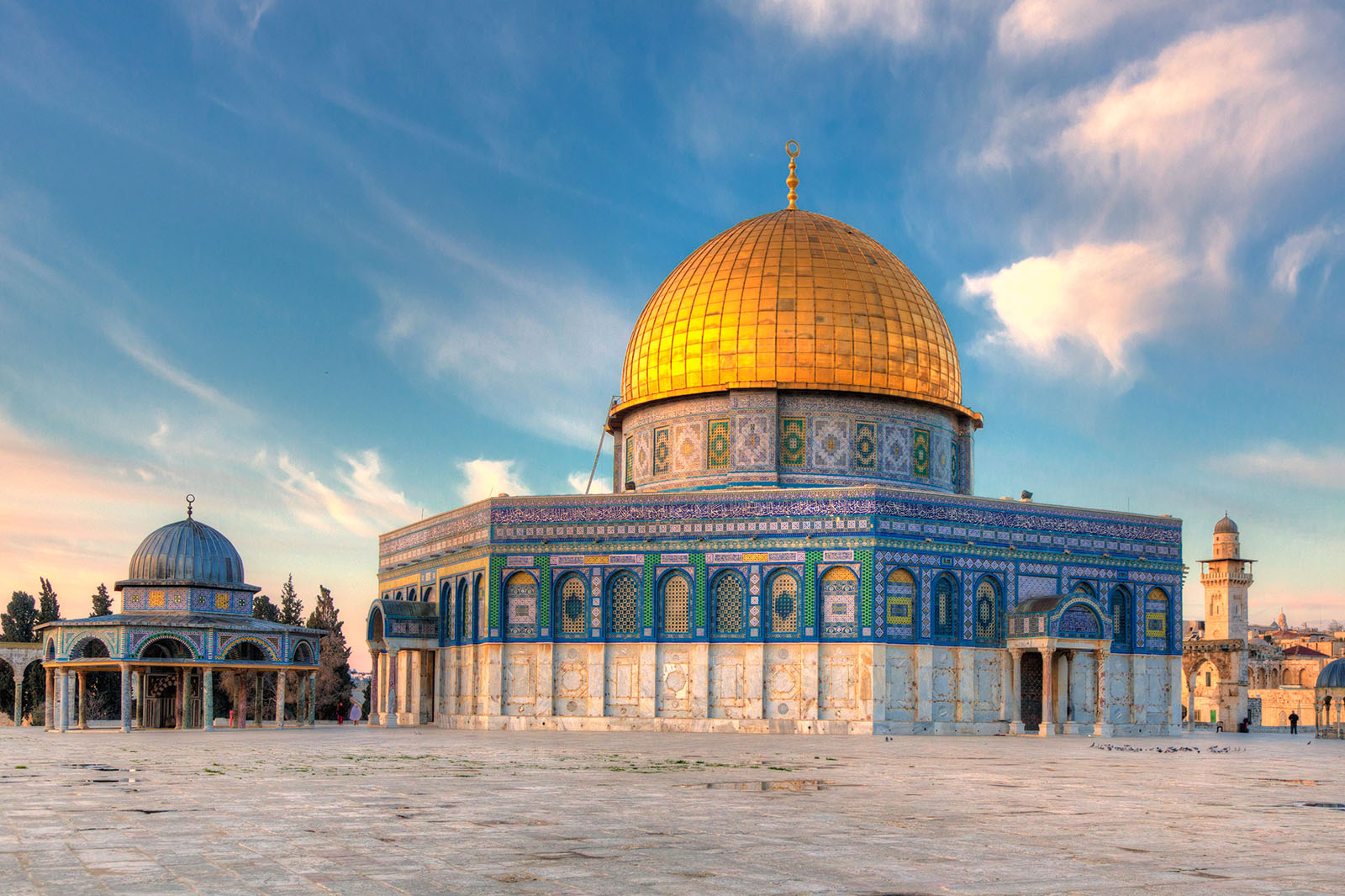
The Dome of the Rock – Renowned for its golden dome and Islamic artistry.
-
Islamic Museum – Exhibiting manuscripts, ceramics, and artifacts from across Islamic history.
-
Beautiful Plazas and Fountains – Spaces for prayer, study, and reflection.
Visiting the Site
-
Non-Muslim Access: Through the Mughrabi Gate during designated hours (check ahead for changes).
-
Dress Code: Modest clothing covering shoulders and knees; head coverings for women recommended.
-
Photography: Allowed outside, but be respectful and avoid disrupting worshippers.
-
Guided Tours: Hiring a knowledgeable guide enhances understanding of the site’s religious and political significance.
Traveler Tip: Early morning visits offer cooler temperatures and fewer crowds, with the plaza bathed in soft light.
Nearby Attractions
-
Western Wall – Directly adjacent to the Temple Mount’s western retaining wall.
-
Old City Souks – Bustling markets with spices, textiles, and handmade crafts.
-
Via Dolorosa – The route believed to be walked by Jesus to his crucifixion.
Practical Travel Tips
-
Best Time to Visit: Spring and autumn for pleasant weather; Fridays are busiest due to weekly prayers.
-
Security: Expect thorough checks at entry points.
-
Cultural Sensitivity: Maintain respectful behavior and attire at all times.
-
Plan Ahead: Temple Mount visiting hours can change due to religious or political events.
Why Al-Aqsa Mosque Inspires Awe
For over a thousand years, Al-Aqsa has been a place of devotion, education, and community life. Standing in its plaza, surrounded by centuries of history and the sound of prayers, is a reminder of Jerusalem’s enduring role as a crossroads of faith. Whether admired from afar or experienced within the Temple Mount complex, Al-Aqsa remains one of the city’s most powerful symbols.