
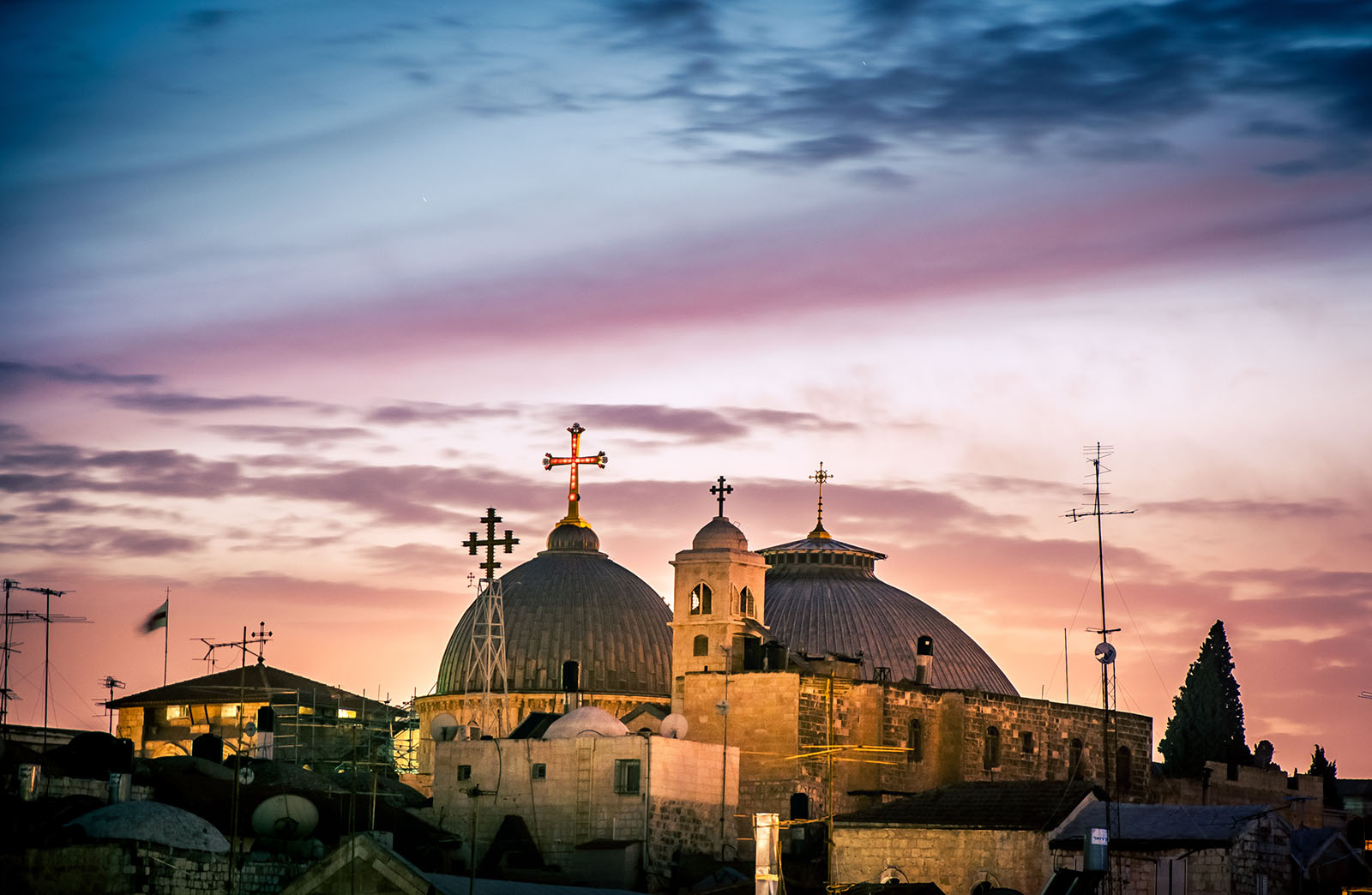
In the heart of Jerusalem’s Old City lies the Church of the Holy Sepulchre, revered by millions as the place of Jesus’s crucifixion, burial, and resurrection.
A Journey to the Heart of Christian Faith
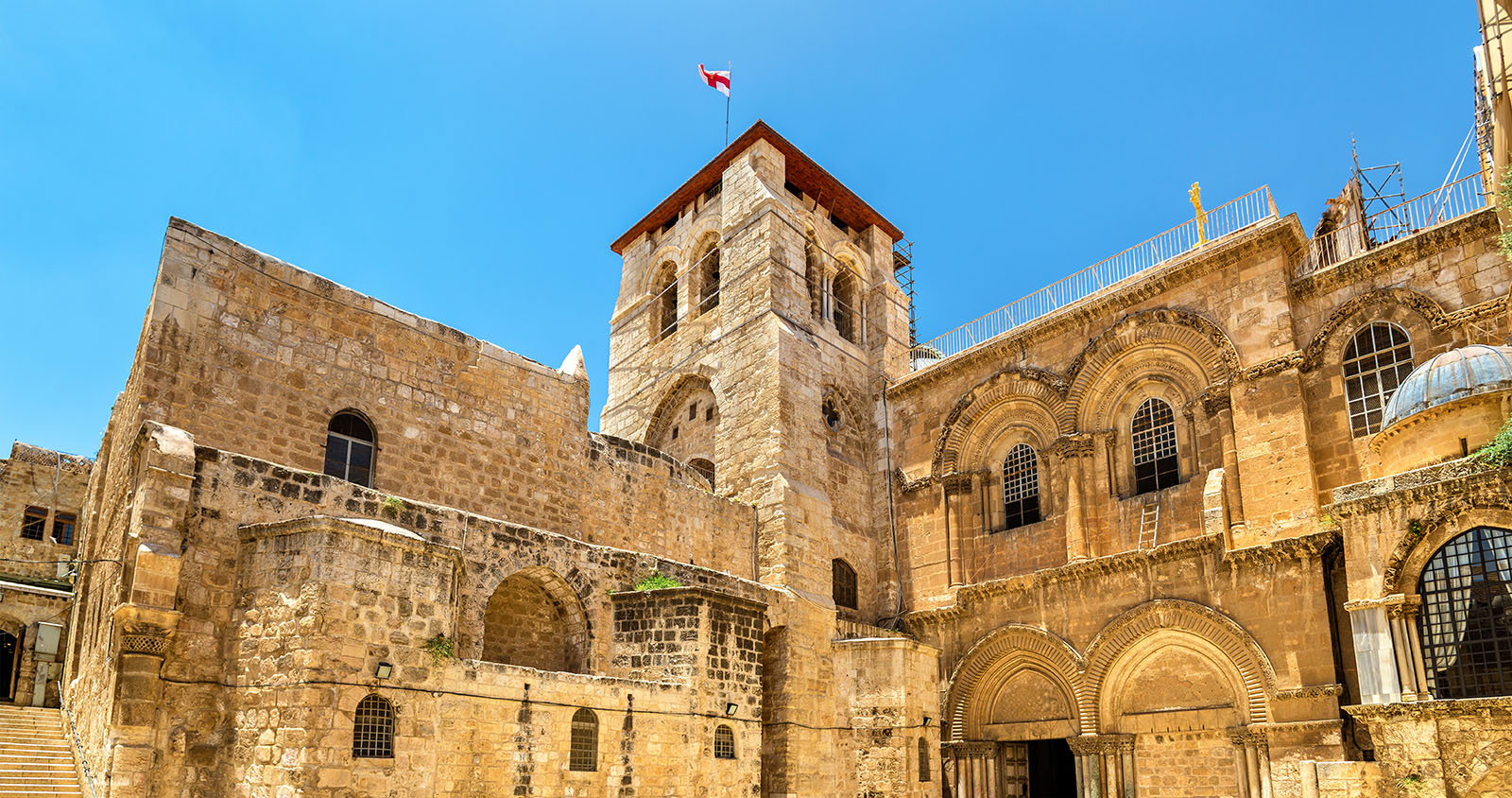
Located in the Christian Quarter, the Church of the Holy Sepulchre has drawn pilgrims since the 4th century. It was built by order of Emperor Constantine the Great, following the discovery of the site by his mother, Helena. Over the centuries, it has been destroyed, rebuilt, and restored, yet it continues to stand as a testament to faith and endurance.
The church contains two of the most sacred locations in Christianity — Golgotha (Calvary), where Jesus was crucified, and the tomb (sepulchre), where he is believed to have been buried and resurrected. Today, it is a shared holy place maintained by several Christian denominations, including the Greek Orthodox, Roman Catholic, and Armenian Apostolic Churches.
Why the Church of the Holy Sepulchre is Special
-
Biblical Significance – Marks the sites of the crucifixion and resurrection.
-
Historical Continuity – A place of worship for nearly 1,700 years.
-
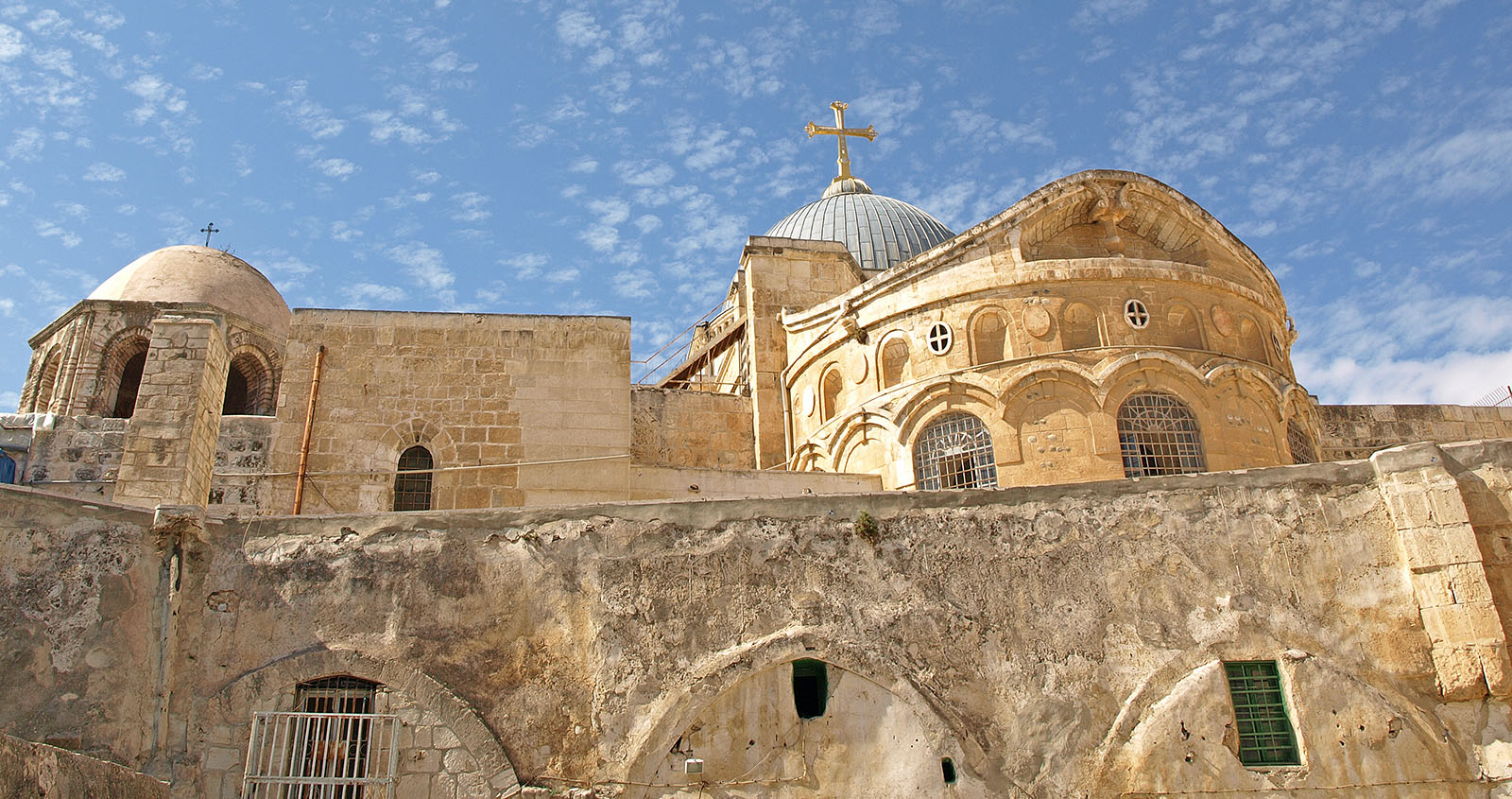
Architectural Layers – Roman, Byzantine, Crusader, and modern influences.
-
Pilgrimage Destination – The final station of the Via Dolorosa.
Traveler Tip: Arrive early in the morning or late in the evening for a quieter, more reflective visit.
Key Highlights Inside the Church
-
Golgotha (Calvary) – An ornate altar marks the site of the crucifixion.
-
Stone of Anointing – Believed to be the slab where Jesus’s body was prepared for burial.
-
The Aedicule – A small chapel within the Rotunda housing the tomb of Jesus.
-
The Rotunda – A large domed space filled with natural light, symbolizing resurrection.
-
Chapel of St. Helena – A quieter underground chapel linked to Constantine’s mother.
Local Insight: The “Status Quo” agreement of 1853 dictates which denomination controls each part of the church, leading to unique traditions and even disputes that persist today.
The Church and the Via Dolorosa
The Church of the Holy Sepulchre is the final destination of the Via Dolorosa, the route many Christians believe Jesus walked to his crucifixion. Pilgrims often arrive here after retracing this path through the Old City’s winding streets.
Nearby Attractions
-
Christian Quarter Market – Lined with shops selling icons, crosses, and religious souvenirs.
-
Tower of David Museum – Exploring Jerusalem’s history.
-
Muristan Square – A historic plaza with cafés and restaurants.
Practical Travel Tips
-
Best Time to Visit: Early morning for fewer crowds, or during Easter for special ceremonies.
-
Dress Code: Modest attire — shoulders and knees covered.
-
Photography: Allowed, but be discreet during prayers.
-
Guides: A guided tour can bring the biblical and historical context to life.
-
Accessibility: The main areas are accessible, though some chapels require stairs.
Why the Church of the Holy Sepulchre Leaves a Deep Impression
For believers, this is the place where the most important events of the New Testament occurred. For historians and travelers, it’s a living monument to centuries of devotion, architectural evolution, and shared heritage. Whether you come for faith, history, or cultural discovery, standing within its ancient walls is an experience that resonates long after you leave.
FAQs About the Church of the Holy Sepulchre
1. Is there an entrance fee to the Church of the Holy Sepulchre?
No, entry to the church is free for all visitors.
2. Can non-Christians visit the Church of the Holy Sepulchre?
Yes, people of all faiths are welcome, provided they show respect for the site’s religious significance.
3. How long should I plan for a visit?
Most visitors spend 1–2 hours, but those exploring every chapel and detail may need longer.
4. Are there guided tours available?
Yes, both private guides and group tours operate in the Old City and often include the church.
5. When is the best time to visit?
Early mornings or evenings are best for avoiding large crowds, especially in high season.
6. Can I attend a church service there?
Yes, services are held daily by different Christian denominations. Visitors may observe respectfully.