
Step into the heart of ancient Jerusalem at the City of David, where archaeological treasures and biblical history come alive beneath the modern city.
Where Jerusalem’s Story Began
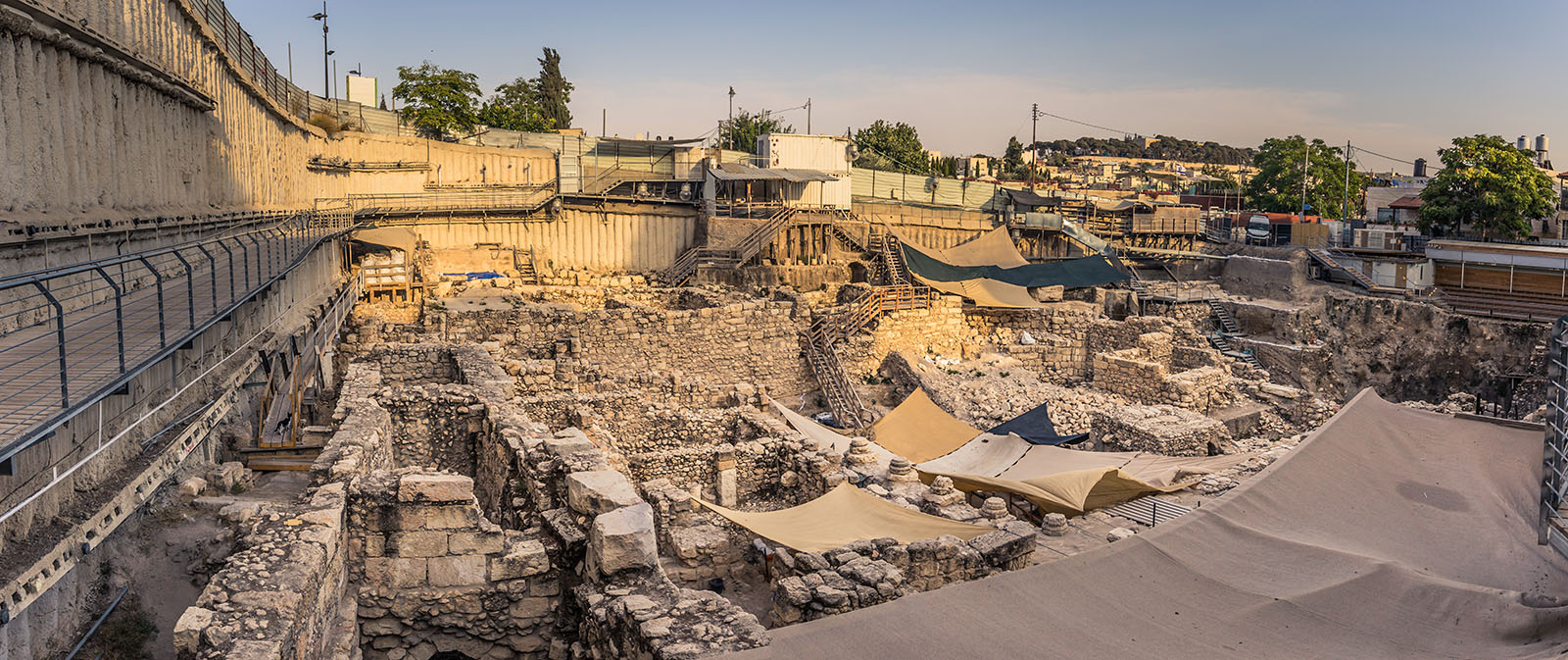
Just outside the Old City walls, the City of David is considered the birthplace of Jerusalem. Dating back over 3,000 years, it was the original settlement captured by King David, who made it the capital of the united Kingdom of Israel. Today, it’s a world-class archaeological park where visitors can explore remains from the First and Second Temple periods, walk through ancient water tunnels, and see layers of history revealed.
Why the City of David is Special
-
Historical Depth – Home to some of the oldest structures in Jerusalem.
-
Biblical Significance – Linked to key figures and events in Jewish, Christian, and biblical history.
-
Unique Adventures – Hands-on exploration of underground tunnels and water systems.
-
Living Archaeology – Excavations are still ongoing, revealing new finds each year.
Traveler Tip: Wear sturdy shoes and clothing you don’t mind getting wet if you plan to walk through Hezekiah’s Tunnel.
Highlights of the City of David
-
Hezekiah’s Tunnel – A 500-meter-long water tunnel carved over 2,700 years ago to protect Jerusalem’s water supply. You can wade through ankle- to knee-deep water with a flashlight.
-
Warren’s Shaft – An ancient vertical shaft believed to have been part of the city’s early water system.
-
The Pool of Siloam – A site mentioned in the New Testament, where Jesus is said to have healed a blind man.
-
The Givati Parking Lot Excavations – A massive archaeological dig uncovering palatial buildings and artifacts from multiple eras.
-
The Pilgrimage Road – A recently uncovered stepped street believed to have led from the Pool of Siloam to the Temple Mount during the Second Temple period.
Local Insight: Bring water shoes or sandals for Hezekiah’s Tunnel and a flashlight or headlamp — the tunnel is dark and narrow in places.
Biblical and Historical Context
The City of David holds remains from the Jebusite city, the reigns of Kings David and Solomon, and later periods including Babylonian, Persian, and Roman rule. Its location along ancient trade and pilgrimage routes made it a focal point for political and spiritual life.
Visitor Experiences
-
Guided Tours – Knowledgeable guides bring biblical stories and archaeological findings to life.
-
Nighttime Light Show – A stunning audiovisual experience projected onto the ancient walls, telling the story of Jerusalem.
-
Family Activities – Archaeological sifting projects where kids can uncover real artifacts.
Nearby Attractions
-
The Southern Wall Excavations – Part of the Jerusalem Archaeological Park.
-
The Mount of Olives – Offering panoramic views of the Old City.
-
The Western Wall – Located a short walk away through the Old City.
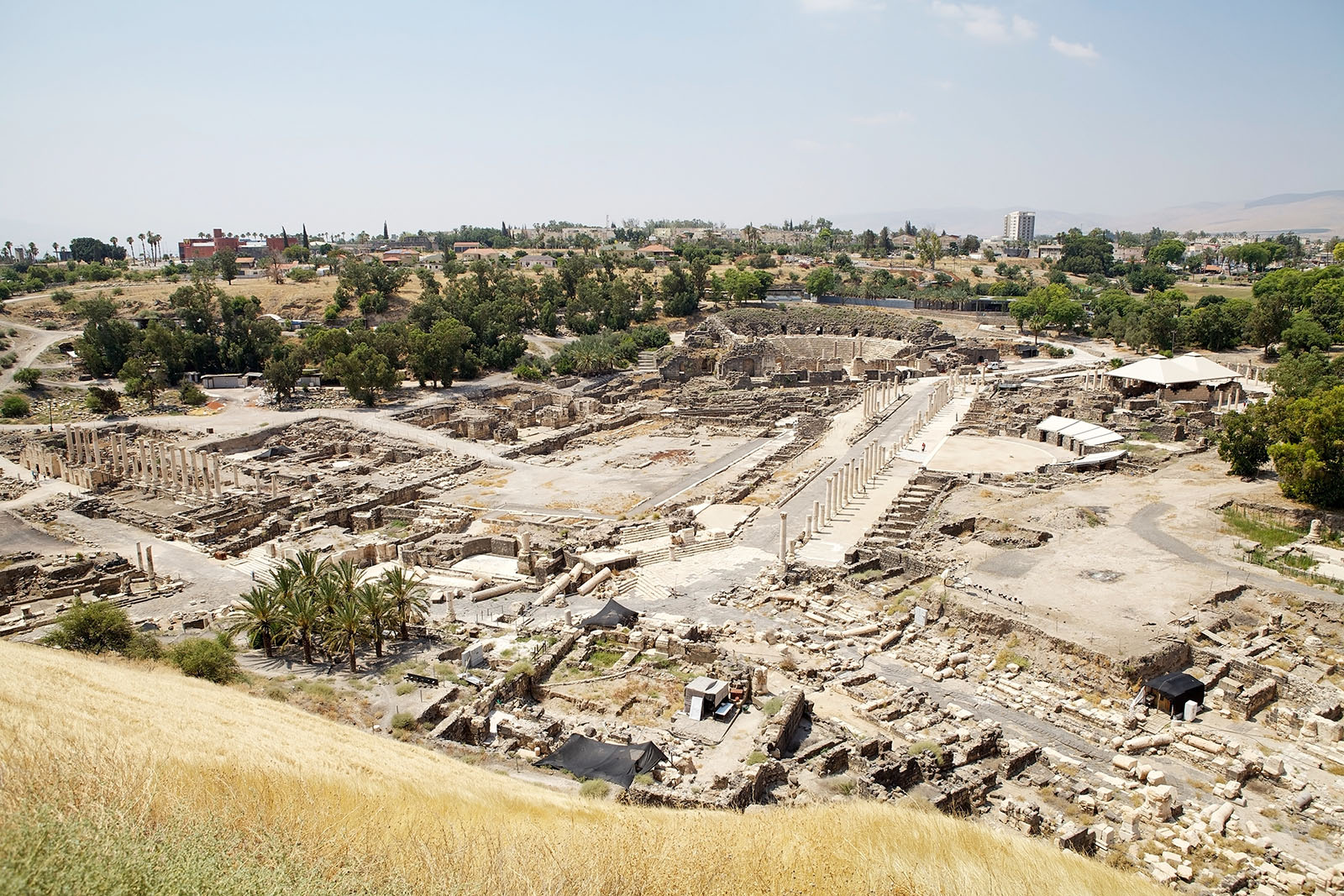
Bet She’an National Park, Israel: the Palladius street, the 150 metres long colonnaded street crossed the city from the slope of the tell to the theatre an the new town in the background
Practical Travel Tips
-
Best Time to Visit: Spring and autumn for comfortable weather; summer mornings to avoid the heat.
-
Getting There: Located just south of the Old City’s Dung Gate.
-
What to Bring: Flashlight, waterproof shoes for the tunnels, sunscreen for outdoor areas.
-
Accessibility: Some tunnels are narrow and not suitable for visitors with mobility challenges.
-
Tickets: Entry fee required; separate charge for the light show and certain tours.
Why the City of David Leaves a Lasting Impression
Visiting the City of David is like peeling back the layers of Jerusalem’s history. You’re not just looking at artifacts — you’re walking in the very spaces where kings ruled, prophets spoke, and pilgrims journeyed to the Temple. For anyone seeking a deeper understanding of Jerusalem, it’s an essential stop that connects the modern city to its most ancient roots.