
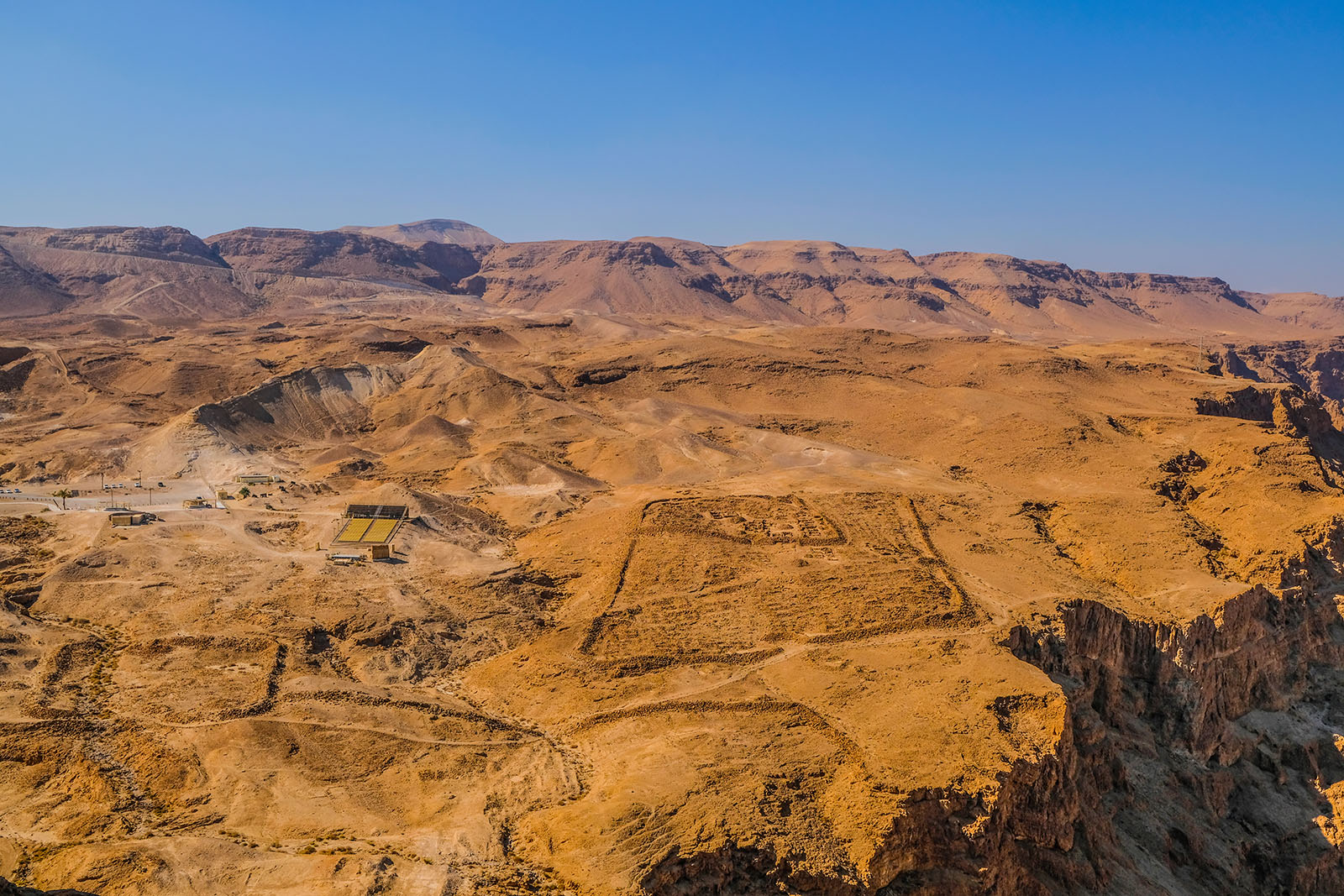
High above the Dead Sea, Masada stands as one of Israel’s most dramatic archaeological sites, a symbol of endurance and freedom set against an unforgettable desert backdrop.
A Fortress with a Legendary Past
Perched on a rugged plateau 450 meters above the Dead Sea, Masada was originally built by King Herod the Great in the first century BCE as a lavish desert refuge. Decades later, it became the site of the last stand of Jewish rebels during the First Jewish–Roman War in 73 CE. Today, Masada is a UNESCO World Heritage site, drawing visitors for its historical significance, spectacular views, and challenging yet rewarding hikes.
Why Masada is Unforgettable
-
Historic Importance – The site of the legendary siege that has become a symbol of resistance.
-
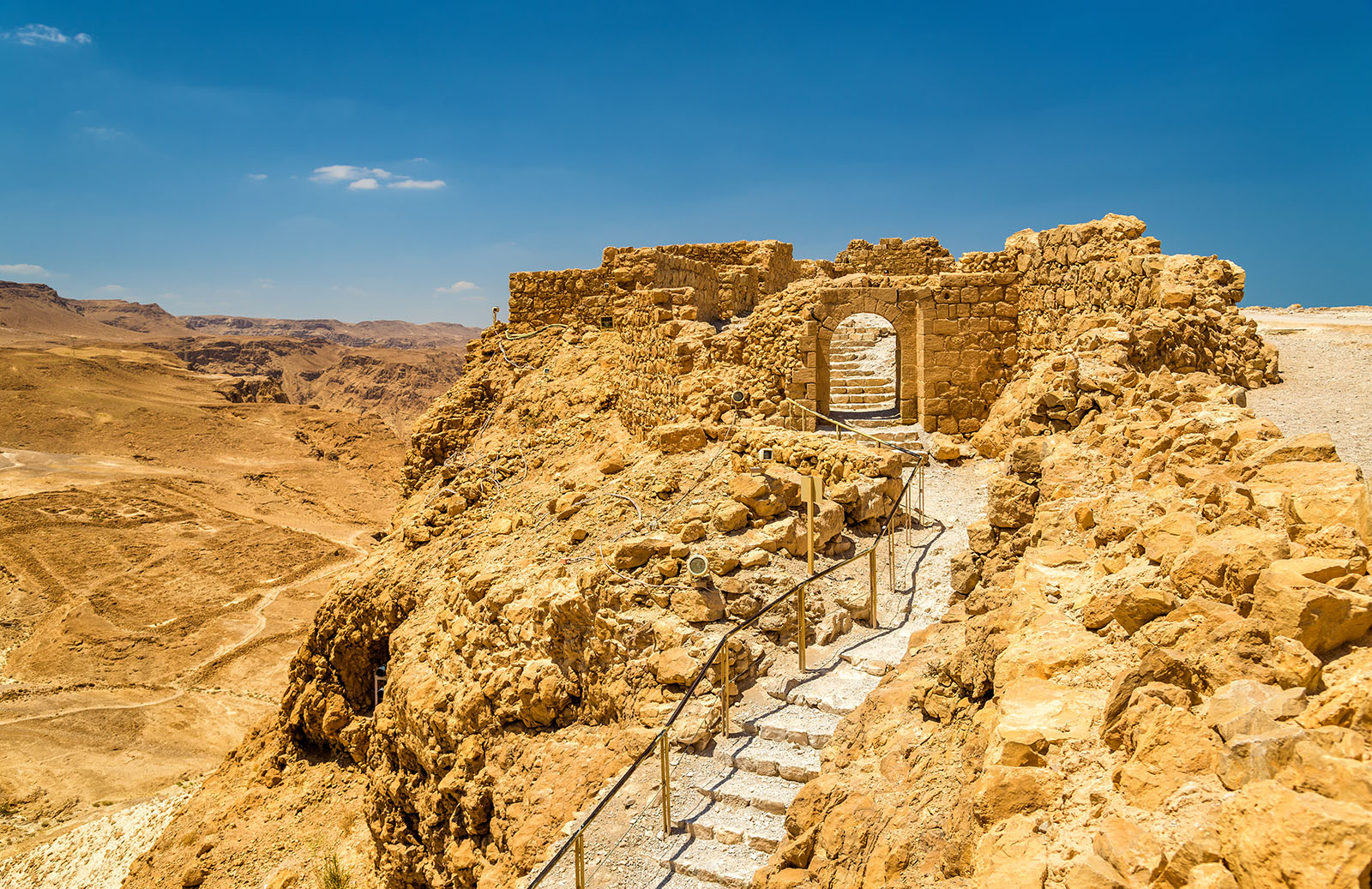
Architectural Wonders – Herod’s palaces, Roman siege works, and storerooms.
-
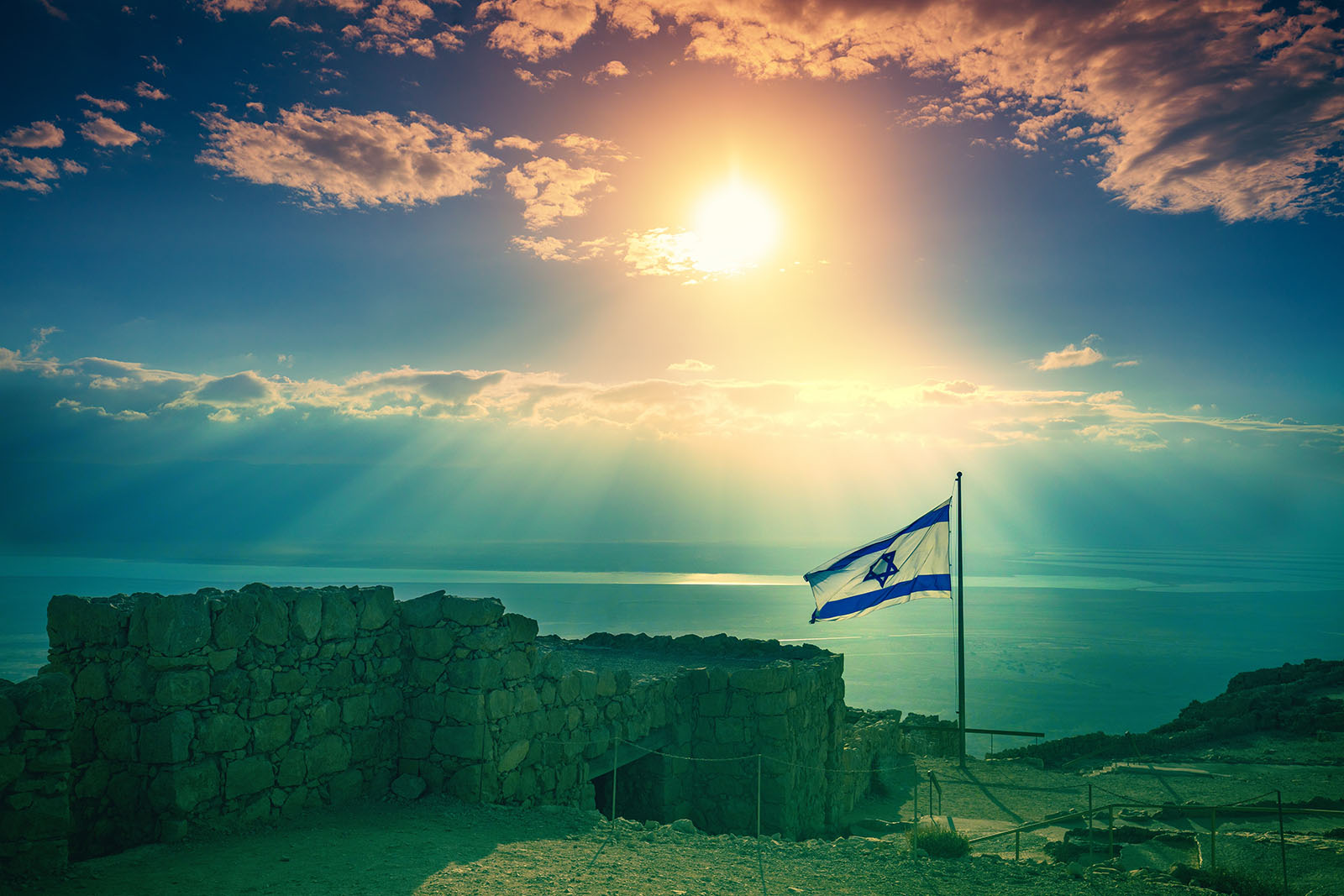
Breathtaking Views – Over the Dead Sea, Jordanian mountains, and Judean Desert.
-
Sunrise Hikes – One of Israel’s most memorable outdoor experiences.
Traveler Tip: In summer, begin your hike before dawn to avoid the midday desert heat.
Highlights of Masada
-
The Northern Palace – Herod’s three-tiered palace built into the cliff, offering sweeping desert views.
-
The Western Palace – Large living quarters with mosaic floors and storerooms.
-
The Synagogue – One of the oldest known synagogues in the world.
-
The Roman Ramp – Built by Roman forces during the siege, accessible for a shorter climb.
-
Bathhouses – Preserved remains of Roman-style heated baths.
Local Insight: The Snake Path, a 1.3 km switchback trail, is the most popular hike for sunrise, but it’s steep and requires good fitness.
Ways to Reach the Summit
-
Snake Path – Steep eastern trail, ideal for sunrise hikes.
-
Roman Ramp Path – Easier and shorter, accessible from the western side.
-
Cable Car – Modern transport to the top in just a few minutes, offering panoramic views.
Special Experiences
-
Sunrise at Masada – Watch the desert glow with shades of pink and gold.
-
Evening Sound and Light Show – Held at the base of the mountain, narrating Masada’s dramatic history.
-
Guided Archaeological Tours – Deep dives into the site’s historical layers and discoveries.
Nearby Attractions
-
Ein Gedi Nature Reserve – Desert oasis with waterfalls and hiking trails.
-
Dead Sea Beaches – Perfect for floating and relaxing after a climb.
-
Qumran Caves – The site where the Dead Sea Scrolls were discovered.
Practical Travel Tips
-
Best Time to Visit: October–April for mild weather; sunrise hikes year-round.
-
Getting There: About 90 minutes from Jerusalem or two hours from Tel Aviv by car or bus.
-
What to Bring: Water, sun protection, sturdy shoes, and a flashlight for early climbs.
-
Accessibility: The cable car makes the site accessible for most visitors.
-
Tickets: Entry fee for the national park; separate fee for the cable car.
Why Masada Stays in the Soul
Masada’s story blends human courage, tragedy, and the grandeur of nature. Standing atop the plateau, with the Dead Sea shimmering below and the desert stretching endlessly, visitors feel a connection to both the land and the timeless struggle for freedom. Whether you hike up in the quiet of dawn or arrive by cable car to take in the sweeping views, Masada is an essential part of any journey through Israel.