
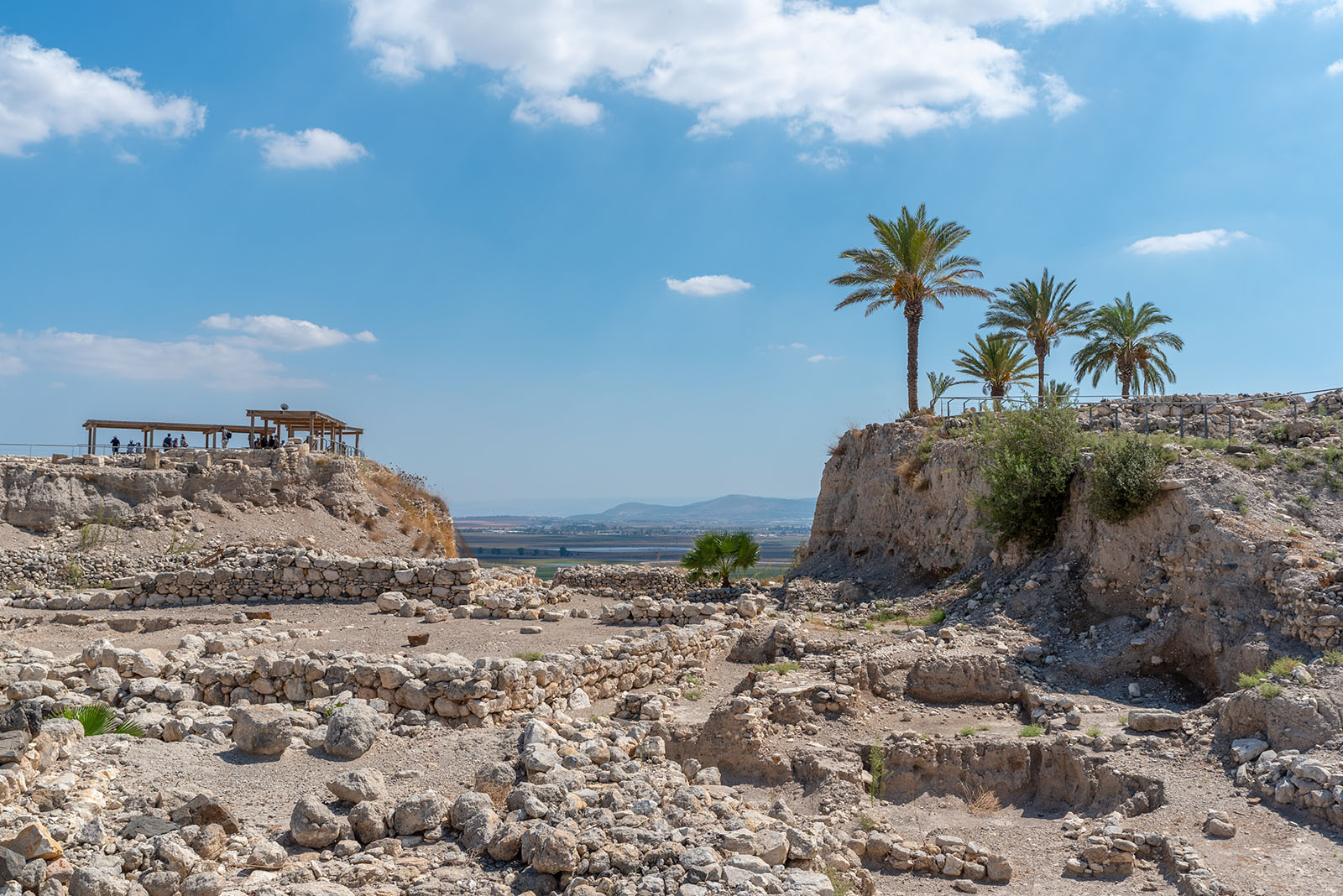
An ancient city of strategic and biblical importance, Megiddo offers a fascinating journey through thousands of years of history.
A Crossroads of History and Legend
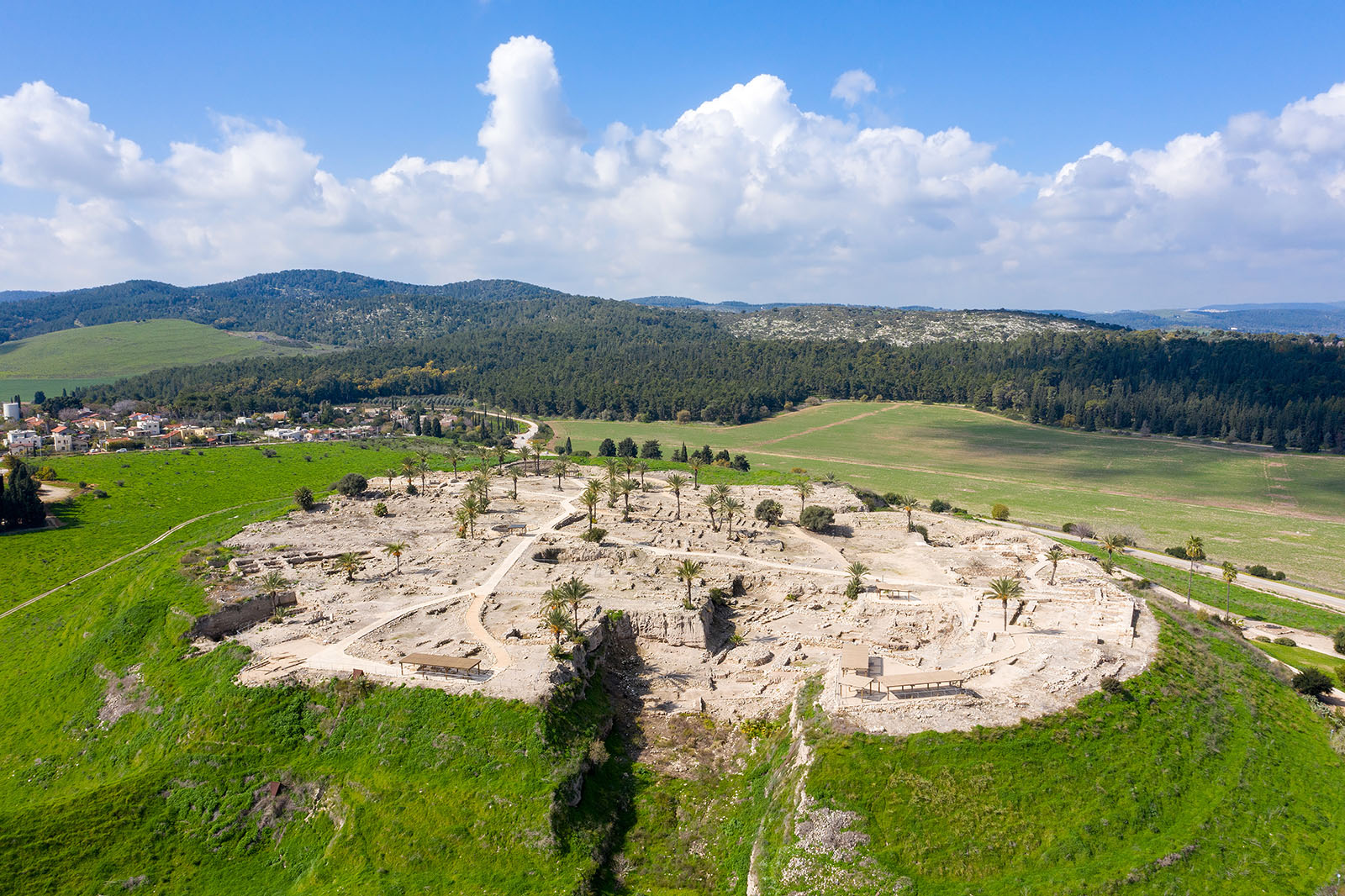
Located in the Jezreel Valley, the Megiddo Archaeological Site is one of Israel’s most important UNESCO World Heritage Sites. Known in Hebrew as Tel Megiddo, it has been inhabited for over 5,000 years and was a major stronghold for Canaanites, Egyptians, Israelites, and other ancient civilizations. Its commanding position over trade routes made it a center of commerce and conflict. In Christian tradition, it is associated with Armageddon, the prophesied site of the final battle between good and evil.
Why Megiddo is a Must-Visit
-
UNESCO World Heritage Site – Recognized for its historical and cultural significance.
-
Biblical Importance – Linked to key battles and prophetic events.
-
Archaeological Riches – Over 20 layers of ancient cities revealed.
-
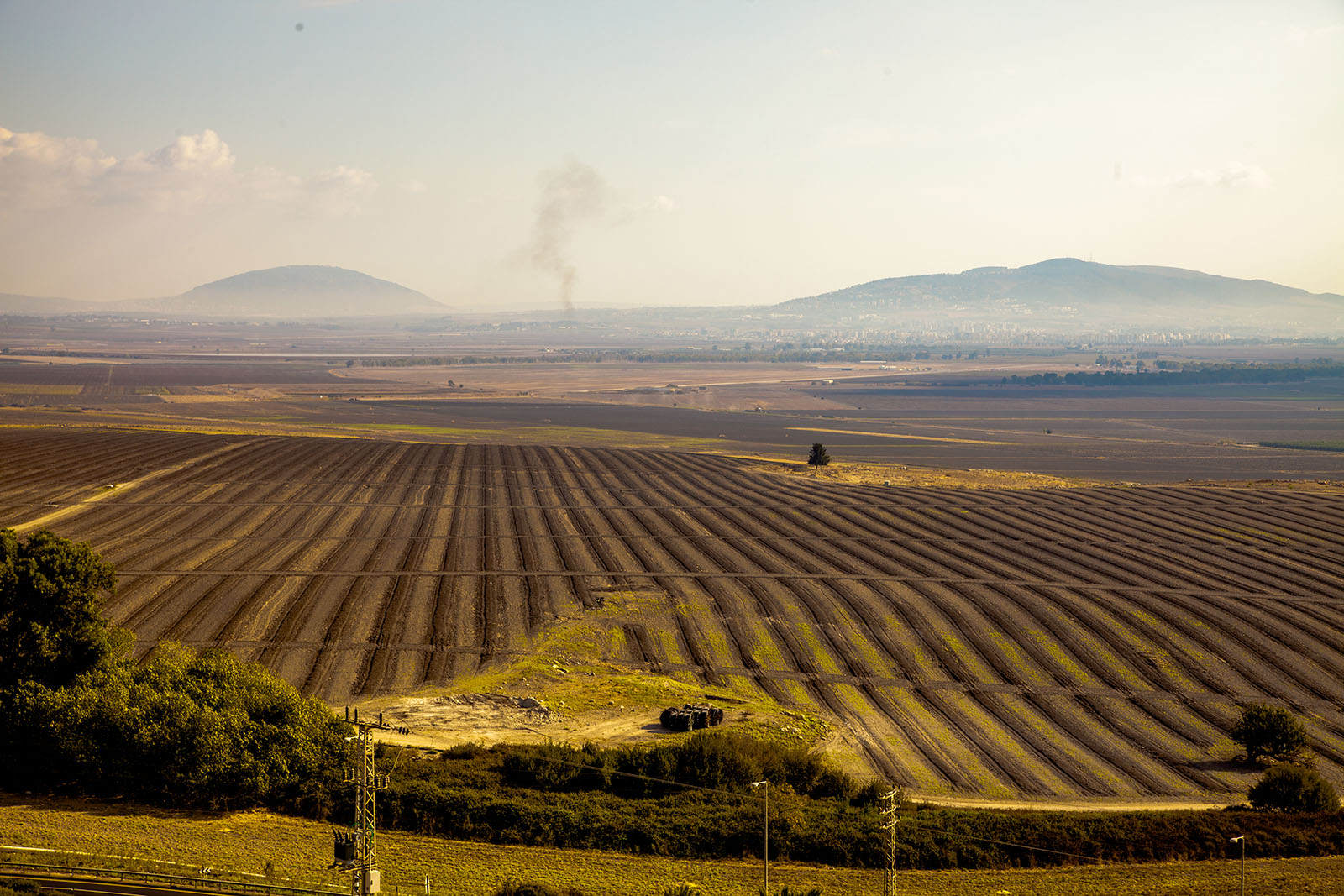
Panoramic Views – Stunning overlooks of the Jezreel Valley.
Traveler Tip: Bring water and a hat, as the site is exposed with little shade, especially during summer.
Top Sights at Megiddo
-
The City Gates – Impressive remains from the time of King Solomon.
-
Canaanite Altar – A large circular altar used for ancient sacrifices.
-
Palace Ruins – Foundations of royal residences and administrative buildings.
-
Water System – An ancient tunnel providing secure access to water during sieges.
-
Observation Points – Views stretching across the fertile Jezreel Valley.
Experiences Not to Miss
-
Exploring the Ancient Tunnels – Walk through the water system carved into rock.
-
Guided Archaeology Tours – Learn about Megiddo’s layers of civilizations.
-
Photography at Sunrise or Sunset – Capture the valley’s beauty under golden light.
-
Connecting Biblical Texts to the Site – Many visitors bring or follow biblical references while exploring.
Nearby Attractions
-
Beit She’arim National Park – Ancient Jewish catacombs and burial caves.
-
Mount Tabor – Traditionally linked to the Transfiguration of Jesus.
-
Nazareth – Religious and cultural center about 40 minutes away.
Practical Travel Tips
Megiddo is open year-round, but mornings and cooler months are more comfortable for exploring. The site is accessible by car from Haifa, Tel Aviv, or Tiberias, with parking available on-site. A visitor center provides maps, displays, and restrooms. Allow 1.5–2 hours to fully experience the ruins.
FAQs About Visiting Megiddo
1. Why is Megiddo mentioned in the Bible?
Megiddo is referenced in both the Old and New Testaments, often as a site of decisive battles. In the Book of Revelation, it is associated with Armageddon, the symbolic final battle.
2. What makes Megiddo archaeologically significant?
Excavations have revealed more than 20 layers of settlement, spanning from the Neolithic period to the Iron Age, offering unparalleled insight into ancient urban life.
3. Can visitors enter the ancient water system?
Yes, the tunnel is open to the public and is one of the highlights of the site, giving visitors a sense of the city’s engineering ingenuity.
4. How long should I plan for a visit?
Most visitors spend 1.5 to 2 hours exploring the ruins, tunnels, and viewpoints, though history enthusiasts may want to stay longer.
5. Is Megiddo suitable for children?
Yes, children can enjoy exploring the site, though parents should supervise them on uneven terrain and in the tunnels.