
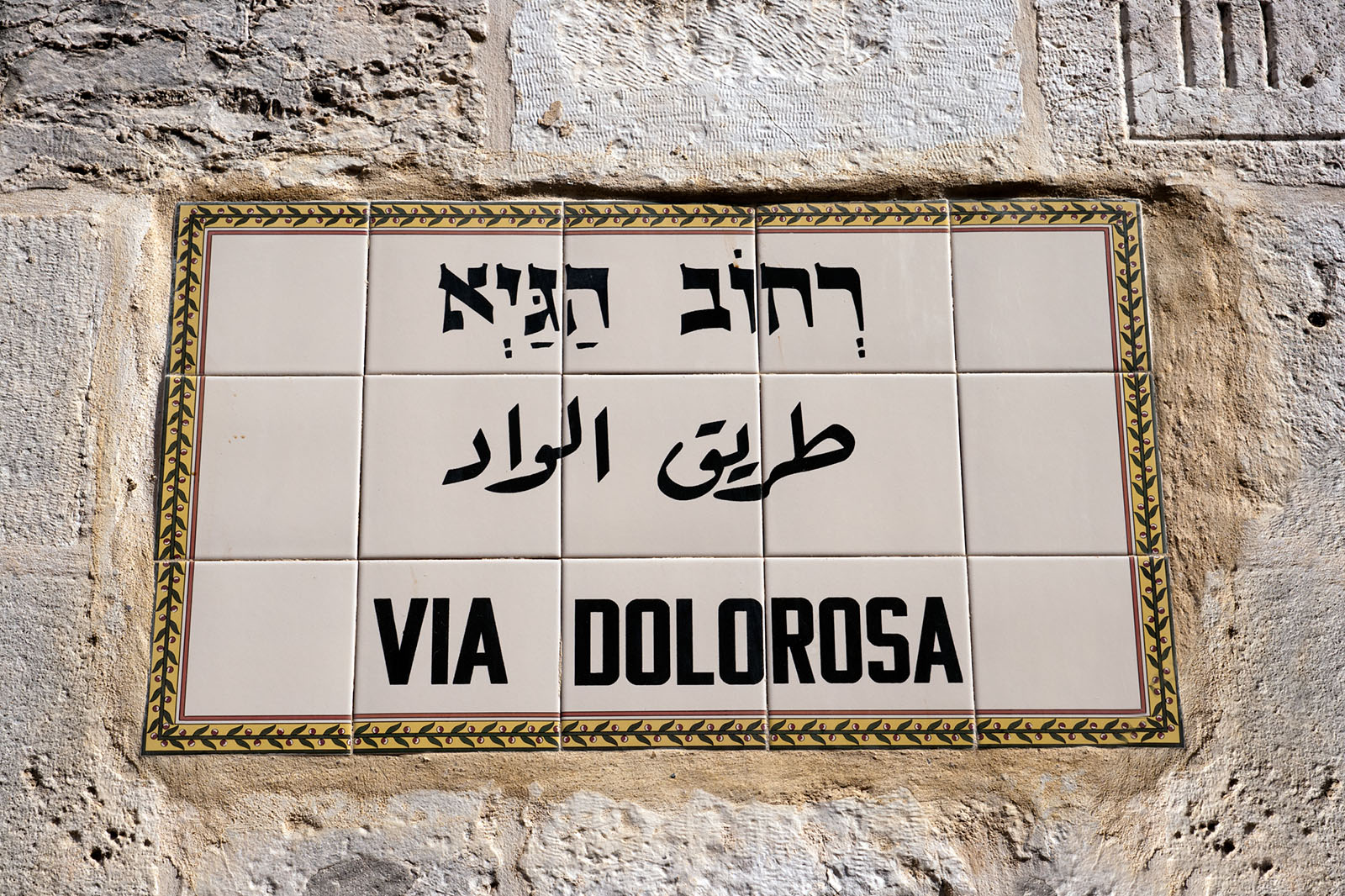
Walk in the footsteps of history along the Via Dolorosa, the route believed to trace Jesus’s final journey to the site of his crucifixion.
A Pilgrimage Through Time
The Via Dolorosa, meaning “Way of Suffering” in Latin, winds through the heart of Jerusalem’s Old City. Stretching approximately 600 meters from the Muslim Quarter to the Church of the Holy Sepulchre in the Christian Quarter, it is one of the most sacred paths for Christians worldwide. For centuries, pilgrims have followed this route, reflecting on the events of the Passion as they pass through bustling streets lined with shops, homes, and historic landmarks.
Why the Via Dolorosa is Special
-
Spiritual Journey – A deeply moving walk retracing the steps of Jesus.
-
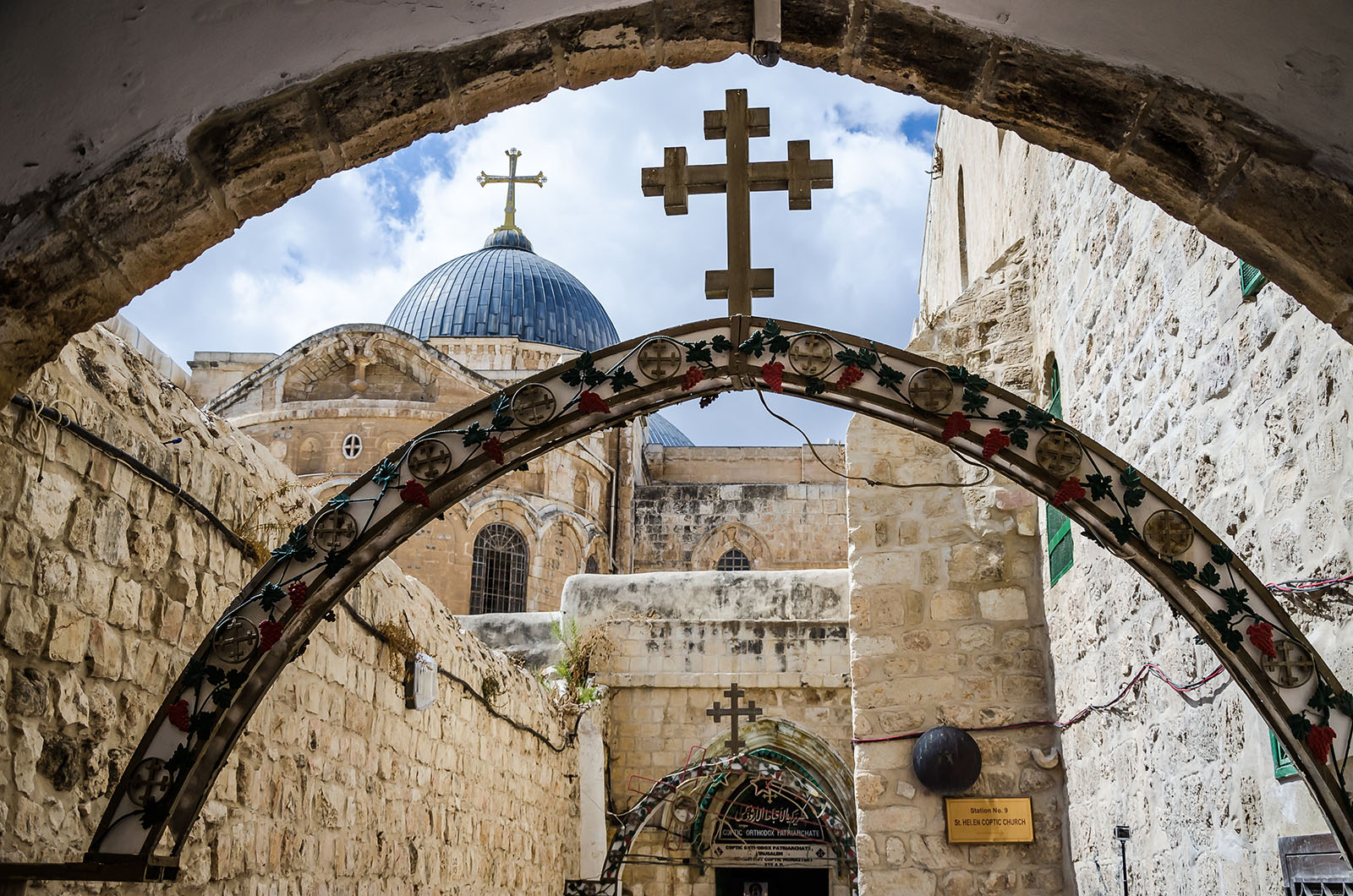
14 Stations of the Cross – Each marking a moment in the Passion story.
-
Historic Setting – A blend of ancient stone pathways and vibrant local life.
-
Multifaith Environment – Pilgrims and tourists share the route with the everyday rhythms of the Old City.
Traveler Tip: Friday afternoons are especially meaningful, when Franciscan friars lead a public procession along the route.
The 14 Stations of the Cross
Each station represents a key moment in the Passion:
- Jesus is condemned to death.
- Jesus carries his cross.
- Jesus falls for the first time.
- Jesus meets his mother, Mary.
- Simon of Cyrene helps carry the cross.
- Veronica wipes Jesus’s face.
- Jesus falls for the second time.
- Jesus meets the women of Jerusalem.
- Jesus falls for the third time.
- Jesus is stripped of his garments.
- Jesus is nailed to the cross.
- Jesus dies on the cross.
- Jesus’s body is taken down.
- Jesus is laid in the tomb.
The first nine stations are along the streets of the Old City, while the last five are inside the Church of the Holy Sepulchre.
Walking the Route
Starting near the Lion’s Gate, the path climbs gently through narrow, cobblestoned streets. Along the way, modest chapels, engraved plaques, and engraved numbers mark each station. While the route can be busy with merchants, locals, and other visitors, the sense of history and devotion is palpable.
Local Insight: Early morning offers a quieter, more contemplative walk, while Fridays bring the most active religious observance.
Cultural and Historical Context
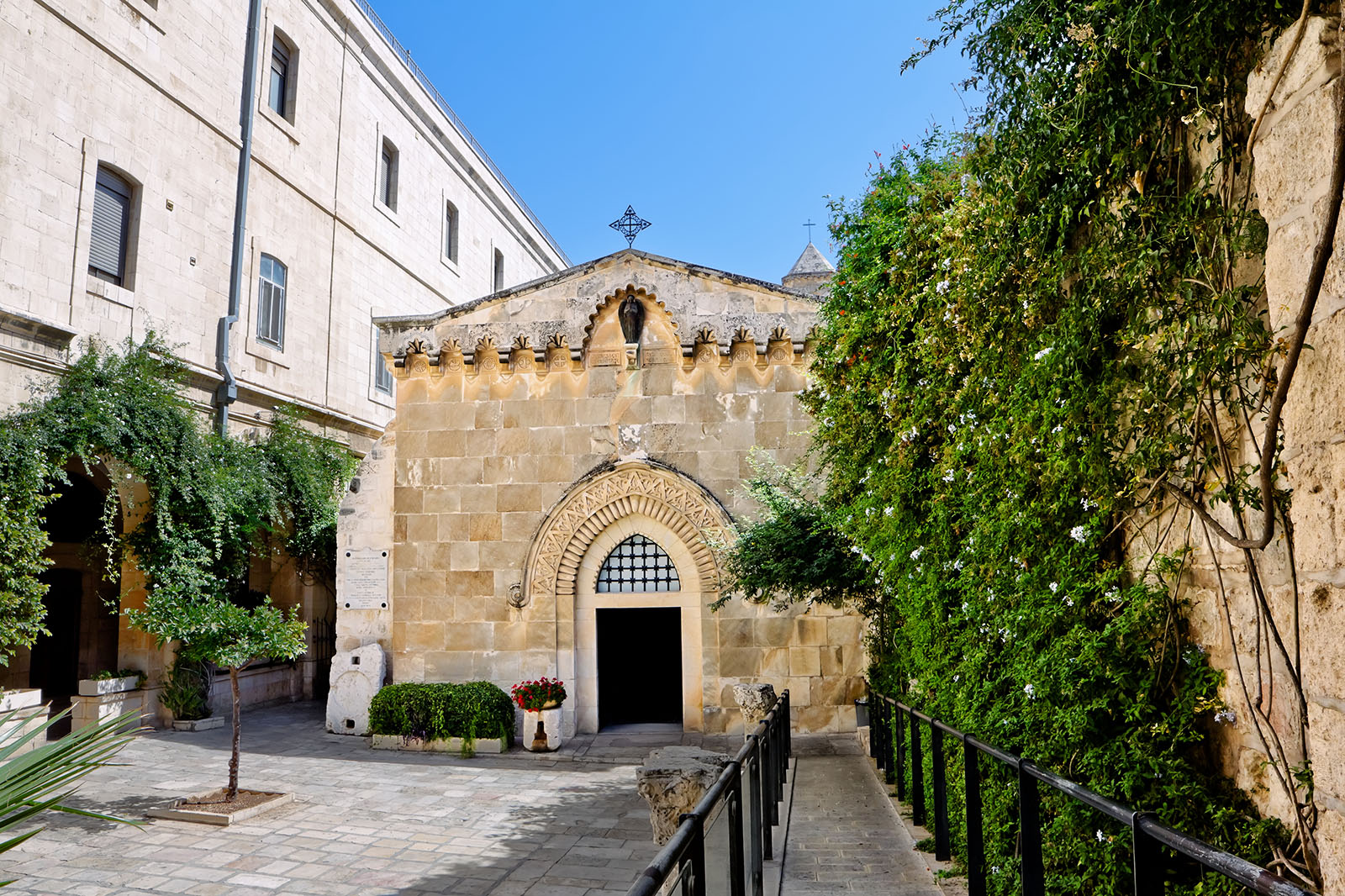
The current Via Dolorosa route was formalized in the 18th century, though its exact historical accuracy has been debated. Regardless, it remains one of the most important spiritual experiences in Christianity, drawing believers from every continent.
Nearby Attractions
-
Church of the Holy Sepulchre – The endpoint of the Via Dolorosa, containing the site of the crucifixion and the tomb of Jesus.
-
Old City Markets – Lively souks selling spices, crafts, and religious souvenirs.
-
Ecce Homo Arch – A Roman-era arch associated with Pontius Pilate’s judgment.
Practical Travel Tips
-
Best Time to Walk: Early morning for fewer crowds; Friday processions for the most authentic atmosphere.
-
Dress Code: Modest clothing out of respect for religious customs.
-
Footwear: Comfortable shoes for uneven stone paths.
-
Guided Tours: Consider joining a Christian heritage tour for historical and biblical context.
Why the Via Dolorosa is Unforgettable
The Via Dolorosa is more than a street — it’s a living journey through history, faith, and culture. Walking it is to step into a story that has inspired countless people over the centuries. Whether you’re a pilgrim, a history enthusiast, or simply a traveler in search of meaningful experiences, the Via Dolorosa leaves an imprint that is as spiritual as it is historical.