
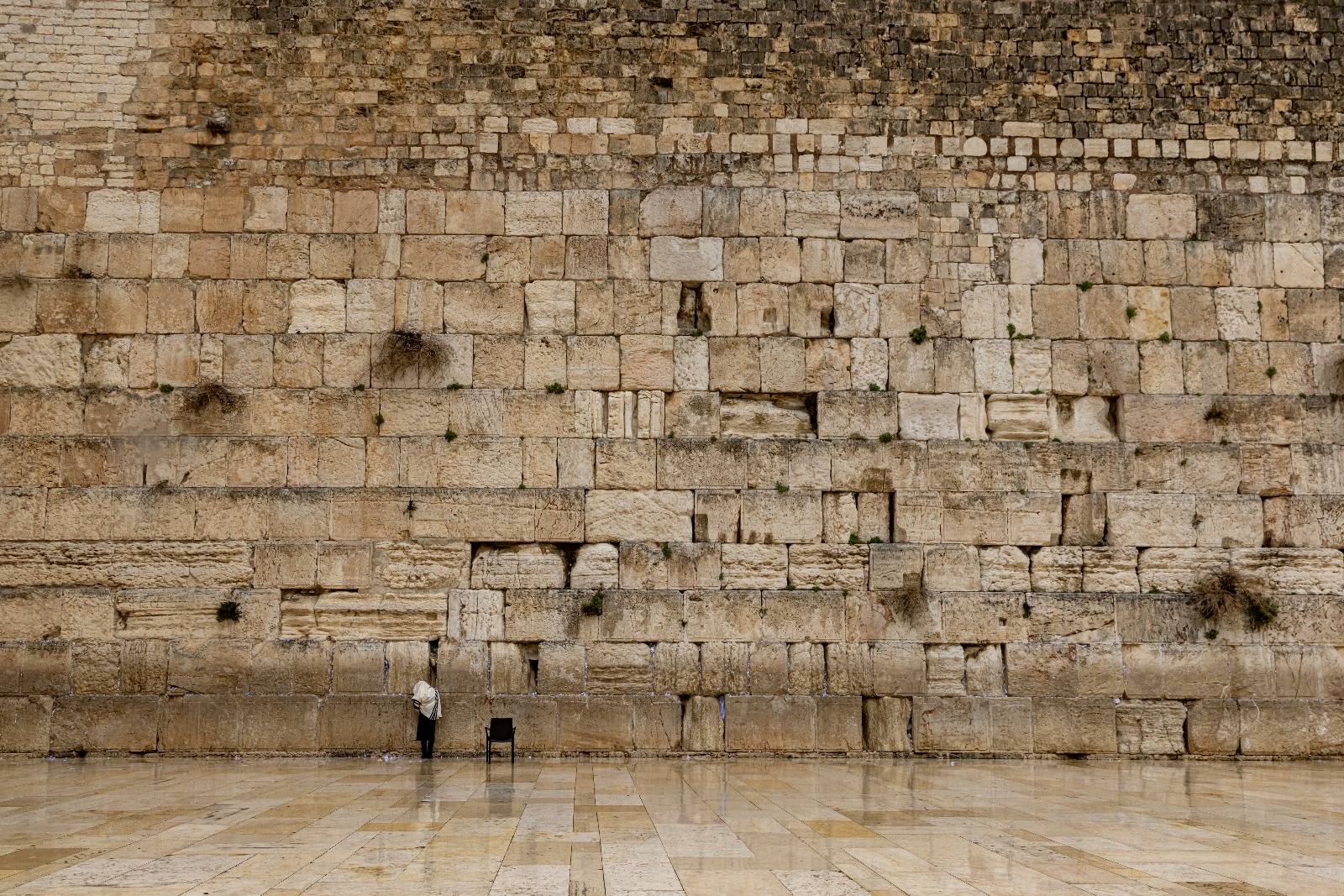
A sacred site of prayer and reflection, the Western Wall is one of the most visited and revered landmarks in Jerusalem and the Jewish world.
A Symbol of Faith and Resilience
The Western Wall, or Kotel, is the last remaining section of the Second Temple complex, destroyed by the Romans in 70 CE. It stands at the base of the Temple Mount in Jerusalem’s Old City and has been a focal point of Jewish prayer and pilgrimage for centuries. Visitors from around the globe come to place handwritten prayers between its stones, seeking connection, peace, and inspiration.
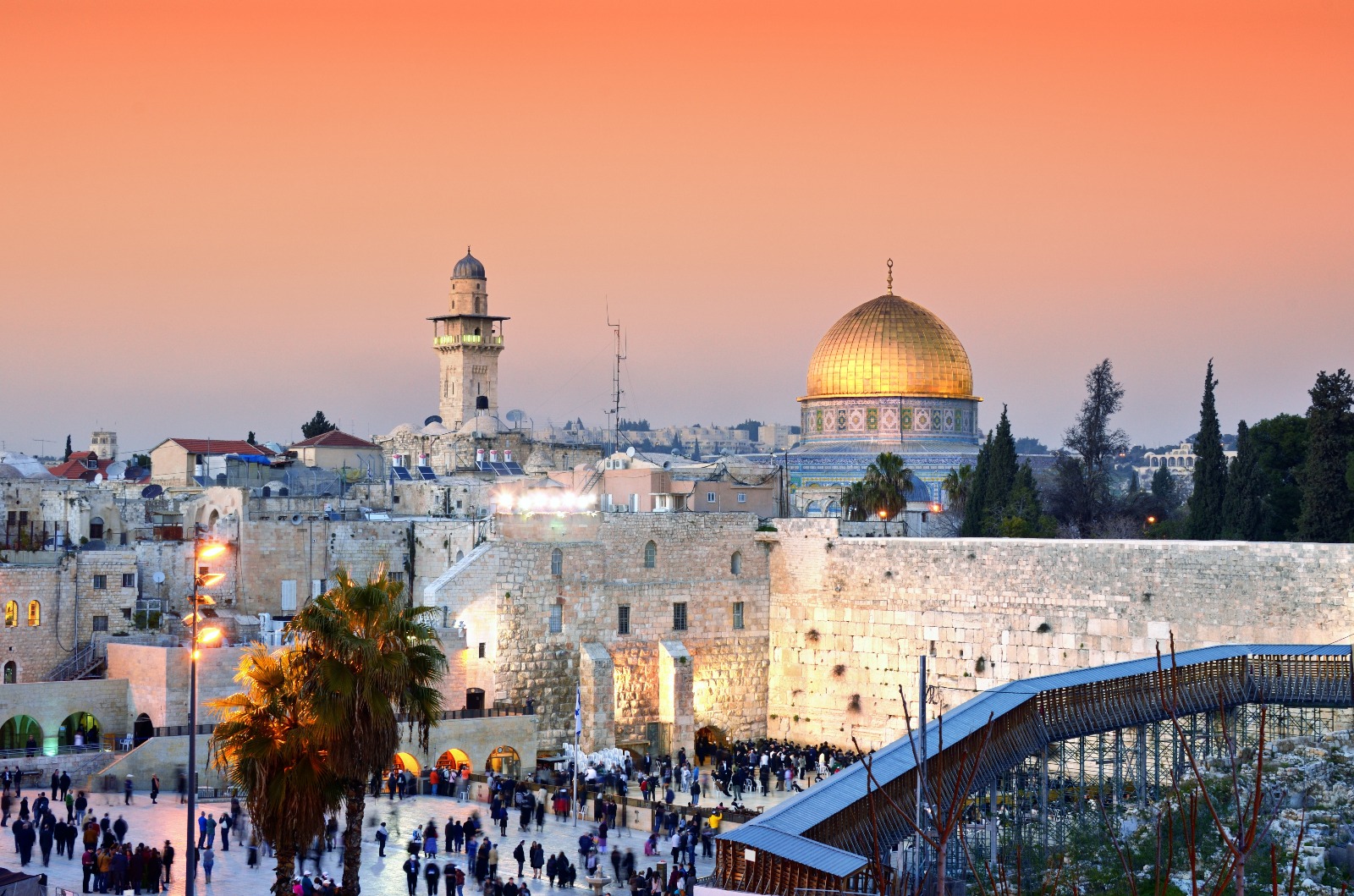
Why the Western Wall is So Significant
-
Sacred Connection – Closest accessible point to the Temple’s Holy of Holies.
-
Living Tradition – Continuous prayer day and night for centuries.
-
Historic Landmark – Part of Jerusalem’s UNESCO-listed Old City.
-
Cultural Experience – Witness bar mitzvahs, holiday celebrations, and national events.
Traveler Tip: Modest dress is required, with separate sections for men and women. Head coverings are available for visitors at the entrance.
Top Experiences at the Western Wall
-
Placing a Note in the Wall – A personal prayer or wish left between the stones.
-
Attending a Bar or Bat Mitzvah Ceremony – Often held at the plaza on Mondays and Thursdays.
-
Visiting During Jewish Holidays – Especially Passover, Sukkot, and Yom Kippur.
-
Exploring the Western Wall Tunnels – A guided underground tour revealing ancient structures and streets.
Nearby Attractions
-
Temple Mount – Sacred to Judaism, Christianity, and Islam.
-
Jewish Quarter – Synagogues, archaeological sites, and museums.
-
Church of the Holy Sepulchre – Key Christian pilgrimage site.
-
Al-Aqsa Mosque – One of Islam’s holiest places.
Practical Travel Tips
The Western Wall Plaza is open 24 hours a day and entry is free. Security checks are in place, so allow time for screening. Early mornings are quieter, while Fridays before Shabbat and Jewish holidays offer a lively, spiritual atmosphere. Comfortable walking shoes are recommended for navigating the Old City’s stone streets.
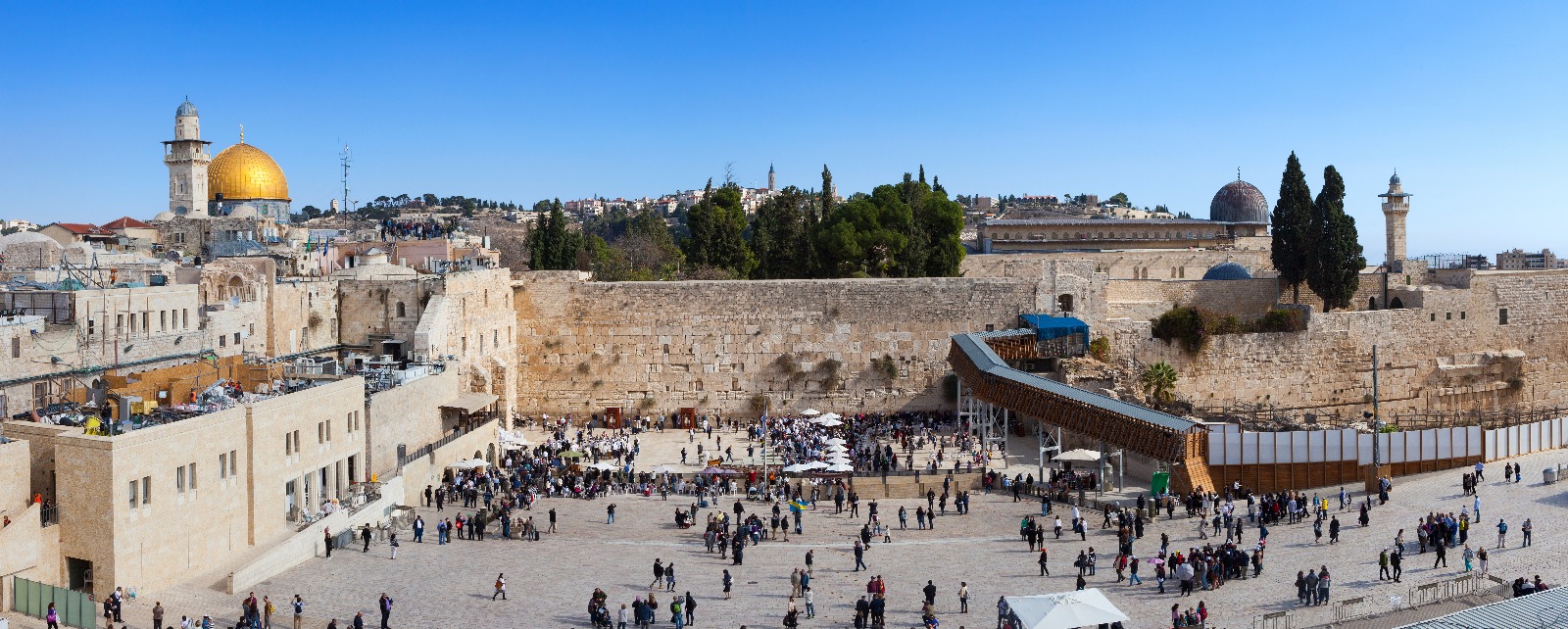
FAQs About Visiting the Western Wall
1. Can anyone visit the Western Wall?
Yes, the site is open to people of all faiths and backgrounds. Visitors are asked to dress modestly and respect local customs while on the plaza.
2. Is there a fee to enter the Western Wall?
No, entrance is free, though guided tours of the Western Wall Tunnels require tickets.
3. What happens to the notes left in the Wall?
Twice a year, the notes are collected and buried in a special ceremony on the Mount of Olives, in accordance with Jewish tradition.
4. When is the best time to visit?
Early morning visits offer a peaceful experience, while Fridays and Jewish holidays provide a lively atmosphere filled with music, prayer, and tradition.
5. Can I take photos at the Western Wall?
Photography is allowed in most areas, but during Shabbat and Jewish holidays, taking pictures is prohibited to respect religious observance.