
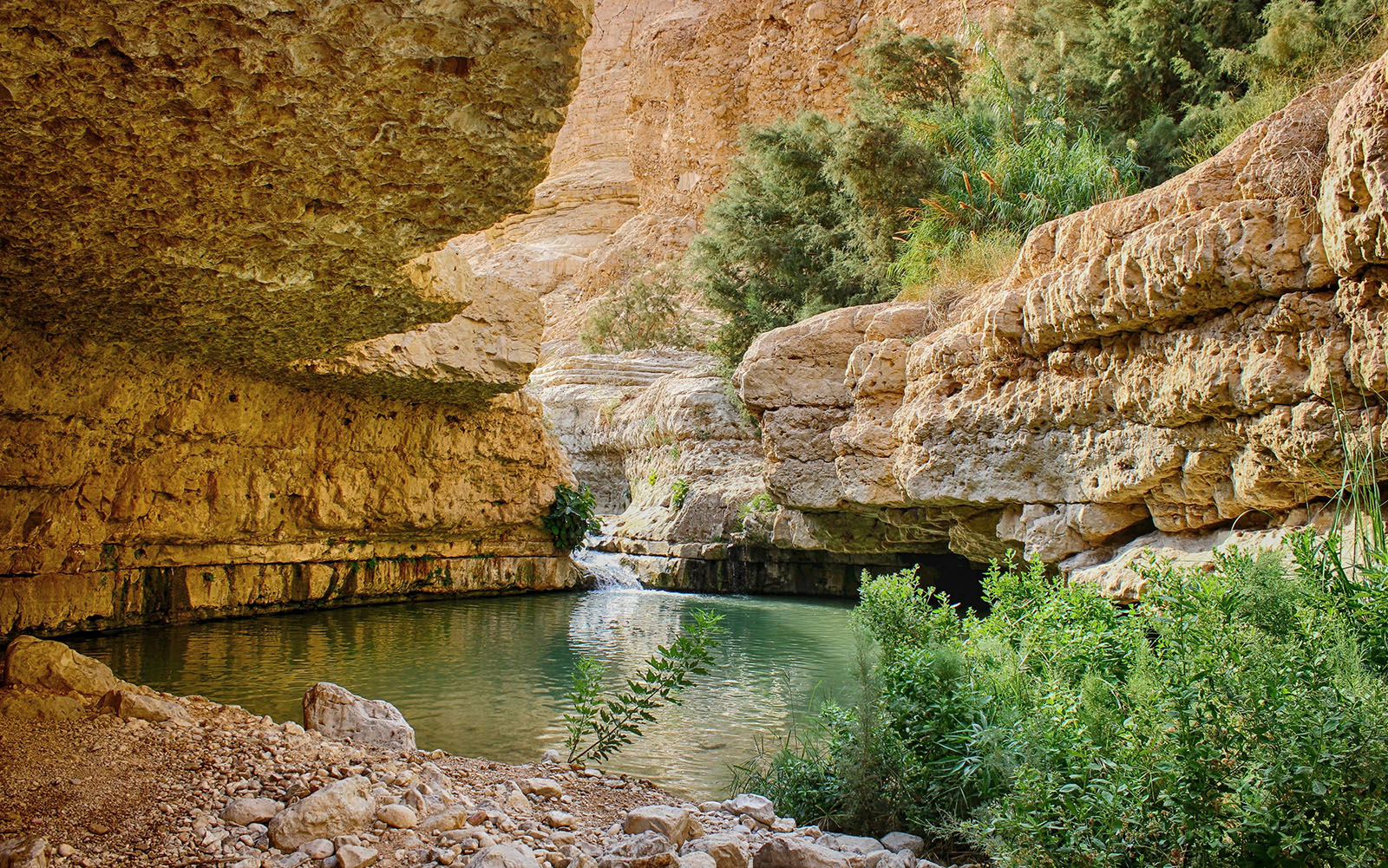
A lush green sanctuary in the middle of arid cliffs, Ein Gedi is Israel’s most famous desert oasis, offering waterfalls, hiking trails, wildlife, and a rich biblical history.
A Desert Oasis with a Story
Located near the western shore of the Dead Sea, Ein Gedi is a nature reserve where cool springs flow year-round, creating a haven for plants, animals, and travelers seeking relief from the desert heat. It has been inhabited since ancient times and is mentioned multiple times in the Bible — including as the place where David hid from King Saul. Today, it is a protected area managed by the Israel Nature and Parks Authority, attracting hikers, nature lovers, and photographers.
Why Ein Gedi is Special
-
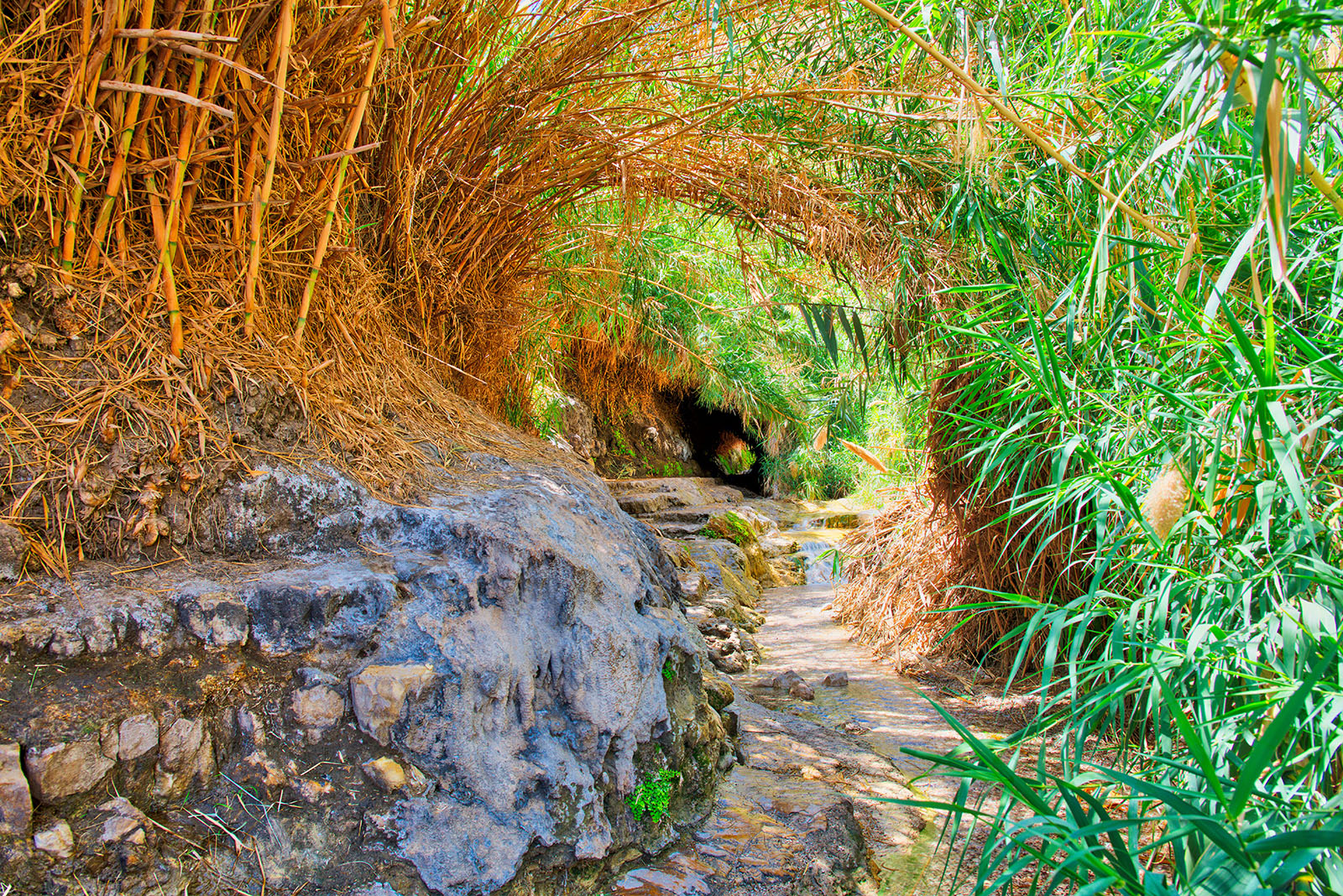
Waterfalls in the Desert – Hidden cascades surrounded by lush vegetation.
-
Wildlife Encounters – Home to ibex, hyrax, and hundreds of bird species.
-
Biblical Connections – Featured in stories from the Books of Samuel and the Song of Songs.
-
Therapeutic Climate – Dry desert air mixed with the freshness of spring water.
Traveler Tip: Arrive early in the morning to avoid the midday heat and enjoy the reserve before it gets busy.
Main Hiking Trails and Attractions
-
David Waterfall (Nahal David) – An easy trail leading to a spectacular 20-meter waterfall, perfect for families.
-
Arugot Stream (Nahal Arugot) – A longer and more challenging route with hidden pools and quieter paths.
-
Shulamit Spring – A shaded spot with a natural spring and panoramic views.
-
Dodim Cave – A hidden grotto accessible via the Arugot Stream, surrounded by lush greenery.
Local Insight: Wear sturdy shoes and bring swimwear — many trails end at natural pools where you can cool off.
Flora and Fauna
Ein Gedi is a meeting point for desert and tropical plant life, with acacia trees, date palms, and papyrus reeds. It’s also a safe haven for:
-
Nubian Ibex – Mountain goats that roam the cliffs.
-
Rock Hyrax – Small, furry mammals often seen sunbathing on rocks.
-
Migratory Birds – The reserve lies on a major migration route between Europe and Africa.
Nearby Attractions
-
Dead Sea Beaches – Just a short drive away for a post-hike float.
-
Masada – The iconic desert fortress, only 20 minutes south.
-
Ein Gedi Botanical Garden – A village garden with over 900 plant species from around the world.
-
Qumran Caves – Archaeological site of the Dead Sea Scrolls discovery.
Practical Travel Tips
-
Best Time to Visit: October–April for cooler weather. Summer visits are possible but start early.
-
Opening Hours: Usually from sunrise to mid-afternoon; hours vary by season.
-
What to Bring: Water (at least 2 liters per person), hat, sunscreen, sturdy shoes, and swimwear.
-
Facilities: The main entrance has restrooms, a small café, and shaded picnic areas.
-
Safety: Avoid entering narrow canyons if there’s rain in the forecast due to flash flood risk.
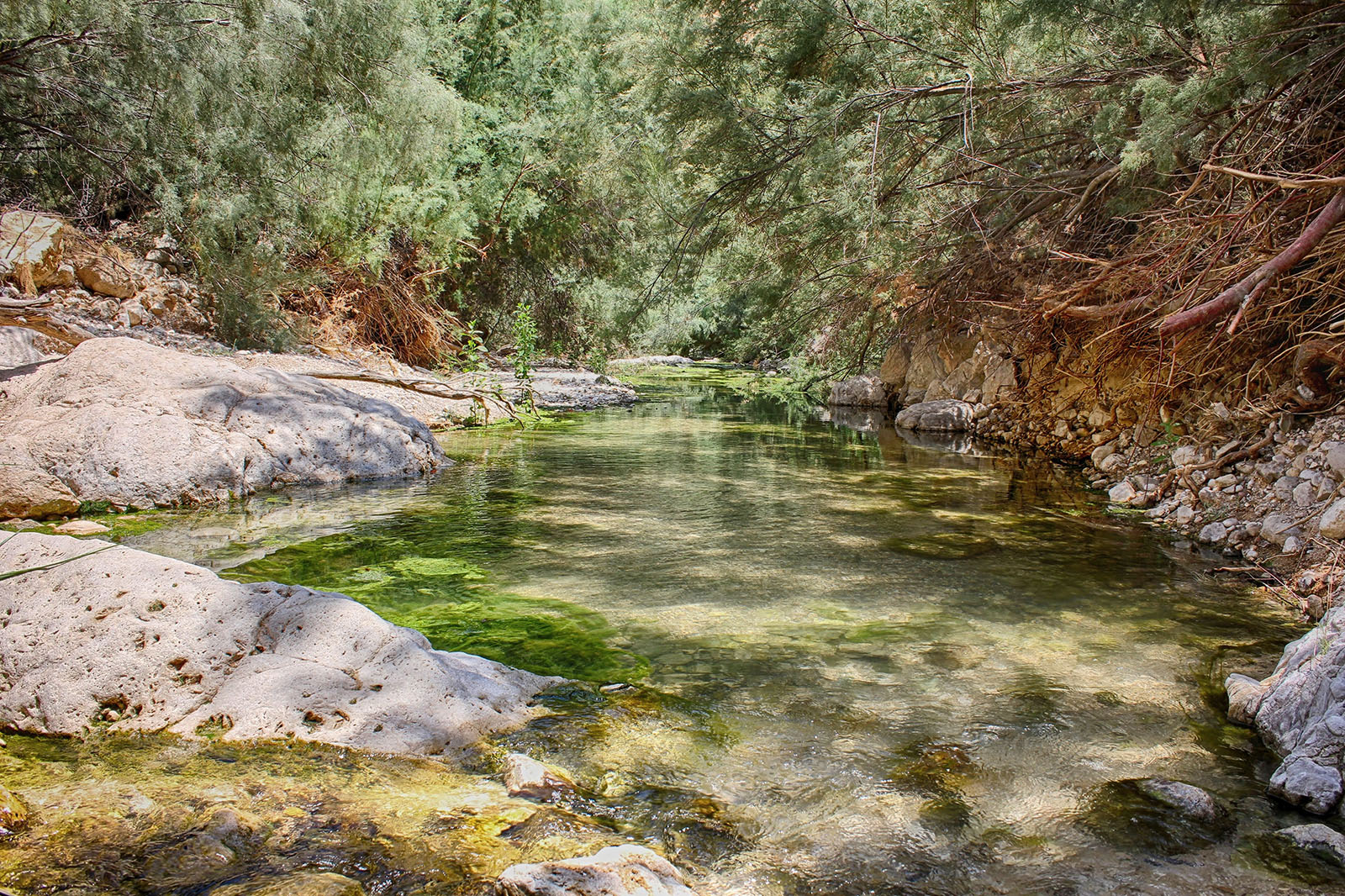
Ein Gedi nature reserve, Arugot stream, Israel
Why Ein Gedi is Unforgettable
Ein Gedi is more than a nature reserve — it’s a place where the desert’s harsh beauty meets the soothing sound of waterfalls. Whether you’re hiking to hidden pools, spotting wildlife on the cliffs, or simply enjoying the contrast of green against gold, this oasis offers a refreshing and inspiring experience in the heart of the Judean Desert.