
Israel’s calendar is filled with holidays that reflect its deep cultural, historical, and religious roots. Some holidays bring the country to life with festivals, parades, and special prayers, while others bring a near-total shutdown of public life. Understanding these dates can help travelers plan their itineraries, avoid disruptions, and experience unique traditions.
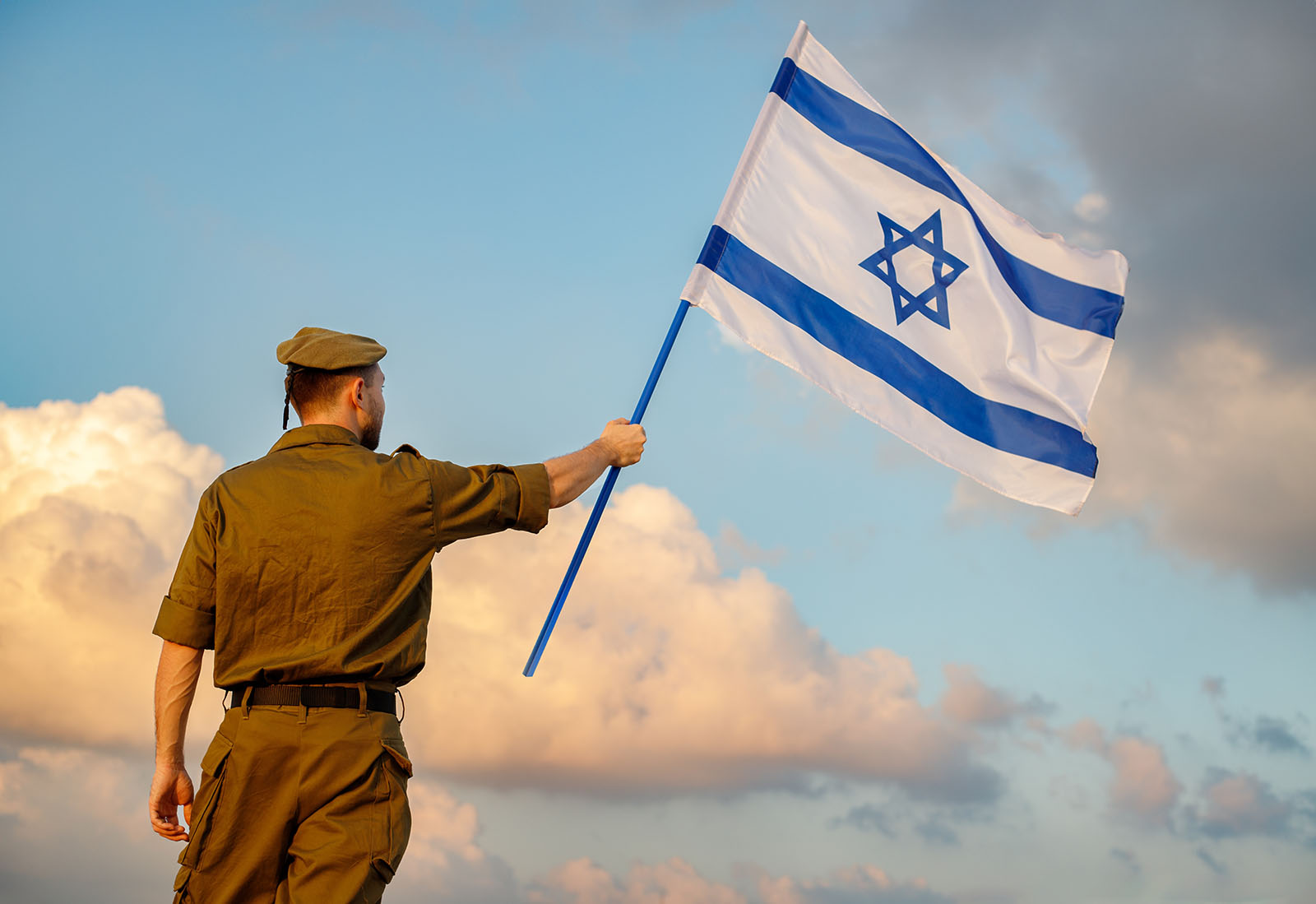
Jewish Religious Holidays
Passover (Pesach) – March or April
Celebrates the Exodus of the Israelites from Egypt. Many businesses and public services operate on limited schedules, and public transport stops during the first and last days. Tourist sites remain open in between. Matzo replaces bread during the week-long holiday.
Rosh Hashanah – September or October
The Jewish New Year, marked by synagogue services, festive meals, and the blowing of the shofar (ram’s horn). Shops and transport shut down during the two-day holiday.
Yom Kippur – September or October
The holiest day in the Jewish calendar, dedicated to fasting and prayer. Virtually all businesses, airports, and transport stop for 25 hours. Streets are quiet, with many people walking or cycling.
Sukkot – September or October
A week-long harvest festival. Temporary huts (sukkot) appear outside homes and restaurants. Many tourist attractions remain open, and Jerusalem’s Western Wall is particularly busy.
Hanukkah – November or December
The Festival of Lights celebrates the Maccabean revolt and rededication of the Temple. Cities are lit with menorahs, and foods like sufganiyot (jelly doughnuts) and latkes are popular.
Purim – February or March
A joyful holiday with costumes, street parties, and parades. Tel Aviv and Jerusalem host major celebrations, making it a great time for festive travel.
National Holidays
Yom HaShoah – Holocaust Remembrance Day
A solemn day honoring the six million Jews killed during the Holocaust. A siren sounds across the country, with people stopping in silence for two minutes.
Yom HaZikaron – Memorial Day for Fallen Soldiers and Victims of Terror
Marked by ceremonies and another two-minute siren. Many attractions close for part of the day.
Yom HaAtzmaut – Independence Day
Israel’s Independence Day is celebrated with fireworks, concerts, and public events. The night before is filled with street parties nationwide.
Jerusalem Day (Yom Yerushalayim) – May or June
Commemorates the reunification of Jerusalem in 1967. Includes parades, music, and dancing in the streets of the capital.
Muslim Holidays in Israel
Eid al-Fitr
Celebrates the end of Ramadan with festive meals, family gatherings, and charity. Arab towns and neighborhoods are lively with markets and sweets.
Eid al-Adha
Commemorates Abraham’s willingness to sacrifice his son. Celebrated with communal prayers, feasts, and family visits.
Christian Holidays in Israel
Christmas – December 25
Bethlehem, Nazareth, and Jerusalem host major religious services and celebrations. Midnight Mass in Bethlehem is world-famous.
Easter – March or April
Jerusalem’s Old City comes alive with processions along the Via Dolorosa, particularly on Good Friday and Easter Sunday.
Tips for Traveling During Holidays
-
Check transport schedules in advance, especially around Shabbat and Yom Kippur.
-
Book accommodations early during major festivals.
-
Some holidays are the best times for cultural immersion, while others are best for quiet sightseeing.
FAQs – Major Holidays in Israel
1. Do public transport and shops close during all Jewish holidays?
Not all, but they close during major ones like Yom Kippur and Rosh Hashanah.
2. Is it more expensive to travel during holidays?
Yes, hotels and flights often cost more around major celebrations.
3. Can tourists join in holiday celebrations?
Yes, many events are public and welcome visitors.
4. Which holiday is best for experiencing Israeli culture?
Independence Day for parties, Purim for costumes and street fun.
5. Are holidays the same in all parts of Israel?
Dates are the same, but observance varies by city and community.